Designing GenAI Products That Children Actually Use Safely
Social media safety frameworks focus on what children see. Generative AI harms stem from what they stop doing. Here is how to design for cognitive safety.
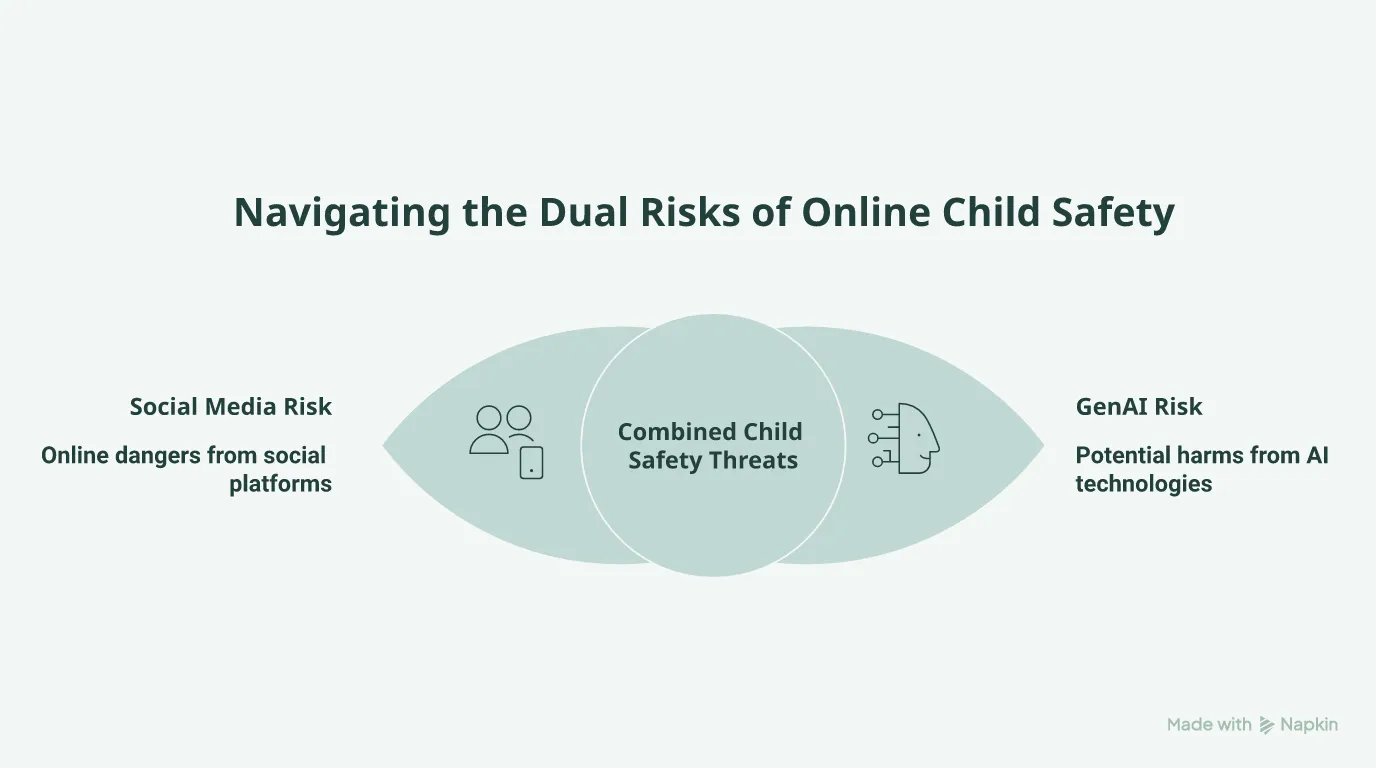
If you are building digital products for children, the pressure to demonstrate safety is unrelenting. The default response across the industry is to pull the content moderation playbook off the shelf: block bad words, filter toxic outputs, and restrict access. We treat the risk of generative AI exactly like the risk of social media.
But social media safety frameworks are designed to protect children from what they see. Generative AI risks are categorically different. The danger is not just inappropriate content; it is cognitive outsourcing. The harm comes from what children stop doing when the machine does the thinking for them.
When product teams rely on legacy moderation frameworks, they miss the actual failure modes of generative AI. Building for this new paradigm requires a completely different approach to friction, utility, and representation. Here is how I read the empirical evidence on how children actually interact with these tools, and what it means for product leaders designing for them.
Key takeaways
- Content moderation is insufficient. Social media safety models do not account for cognitive outsourcing, which is the primary developmental risk of generative AI.
- The productivity illusion hides learning decay. AI can drive a 30% reduction in task completion time and an 18% boost in immediate scores, but this often masks a 20% drop in long-term retention.
- Apply the cognitive outsourcing test. If a 30% drop in user completion time breaks the core developmental value of your product, you are building a cognitive crutch, not a tool.
- Representation gates adoption. Children abandon AI products when they do not see themselves reflected in the generative outputs.
- Friction is a feature. Designing safe AI for children means intentionally building cognitive friction back into the workflow so the user maintains agency.
Why Social Media Safety Playbooks Fail for GenAI
Product teams building generative AI for young users often default to the safety metrics they already know. They measure success by the absence of toxic outputs and the reliability of their content filters. This approach assumes that the primary threat model is exposure.
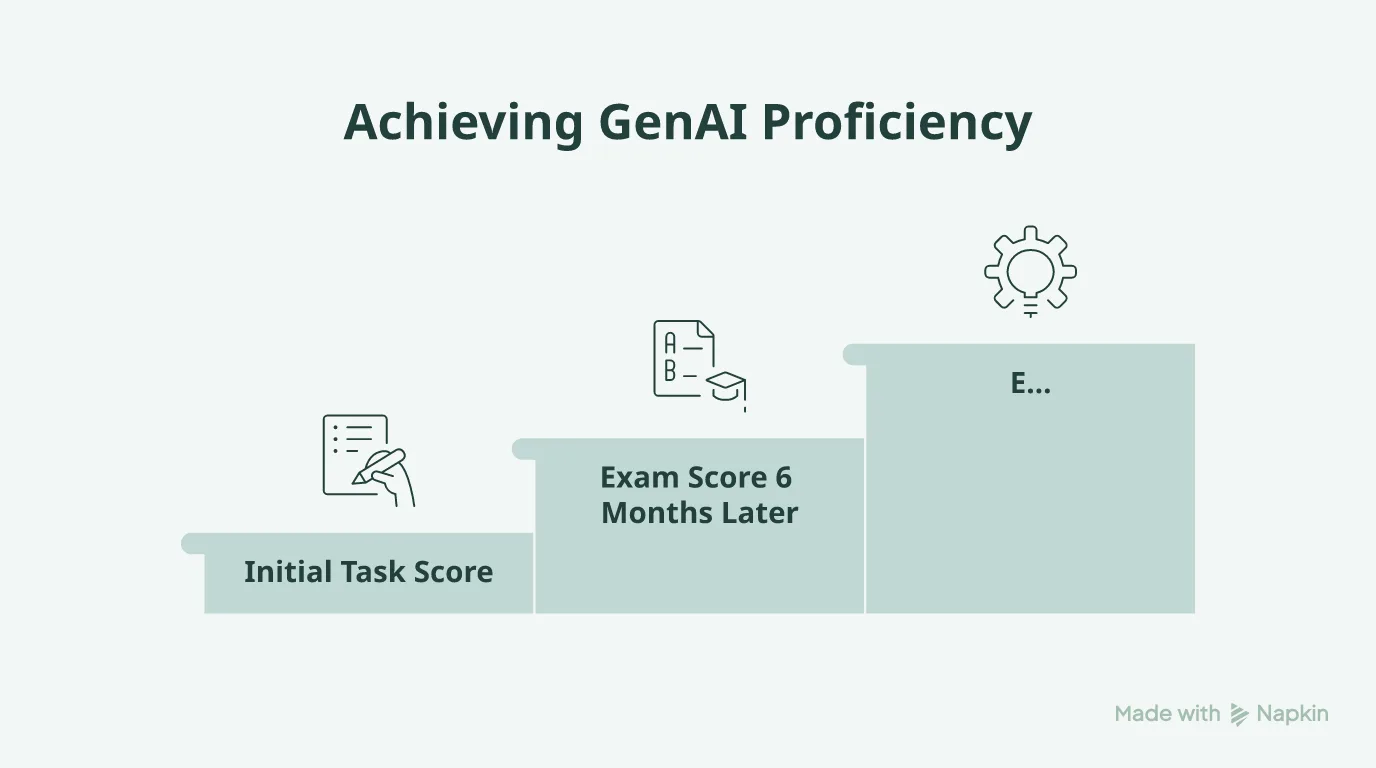
The data suggests a very different reality. A 2026 study by Strömberg, Lei, and Wu analyzing 30 months of data from 26,811 Chinese secondary users reveals the true failure mode of generative AI in developmental contexts. When a cohort adopted generative AI, their task scores increased by 18%, and their completion time dropped by 30%. By standard software metrics, this is a massive success. The product delivered faster, higher-quality outputs.
However, within six months, those same users saw a 20% plunge in their closed-book monthly exam scores. The high-stakes entrance exam scores fell by up to 24% over two years. The researchers identified this as the “generative AI learning penalty.” The safety failure here was not toxic content. The failure was that the product worked exactly as designed, optimizing for speed and output at the expense of cognitive engagement. When we apply social media safety playbooks to generative AI, we completely miss the fact that efficiency is often the enemy of development.
The Cognitive Outsourcing Test
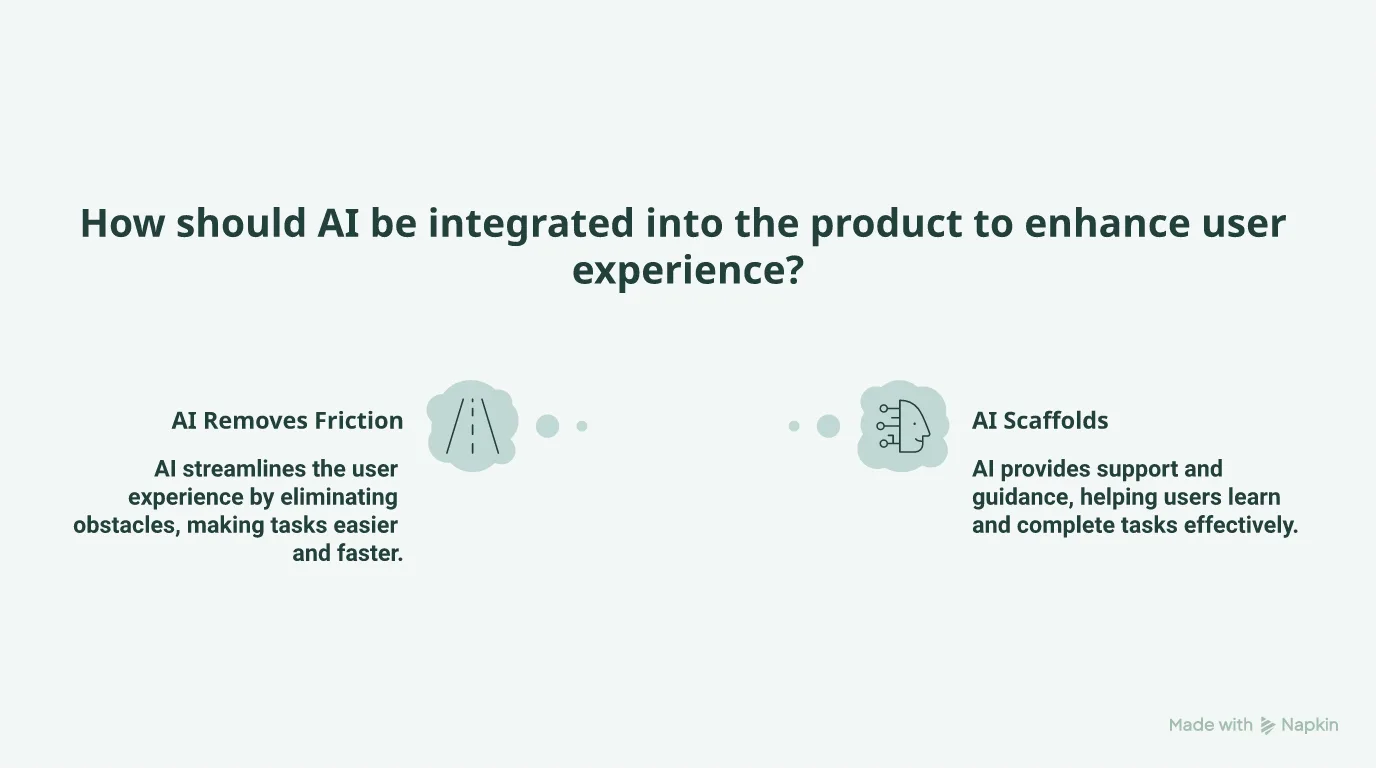
How do product leaders build safety guardrails for cognitive risks rather than just content risks? The answer lies in how we measure engagement and success. In enterprise SaaS, reducing time-on-task is the ultimate goal. In developmental products, reducing time-on-task is a liability if it removes the very friction that builds skill.
I would argue that product teams need a new heuristic before shipping generative features to young users. I call it the cognitive outsourcing test. The test is simple: if your AI feature reduces the user’s task completion time by 30%, does the product still deliver its core developmental value?
If the answer is no, you are not building a learning tool; you are building an outsourcing engine. The Chinese study found that the learning penalty was concentrated among the 80% of users who used the AI to outsource their tasks, identified by exceptionally short completion times paired with high scores. Conversely, the minority of users who maintained similar completion times as non-AI users experienced only small learning losses. The cognitive outsourcing test forces product teams to evaluate whether their UX encourages engagement with the material or simple extraction of the answer.
The study’s own breakdown by task duration reveals exactly where this cognitive damage occurs.
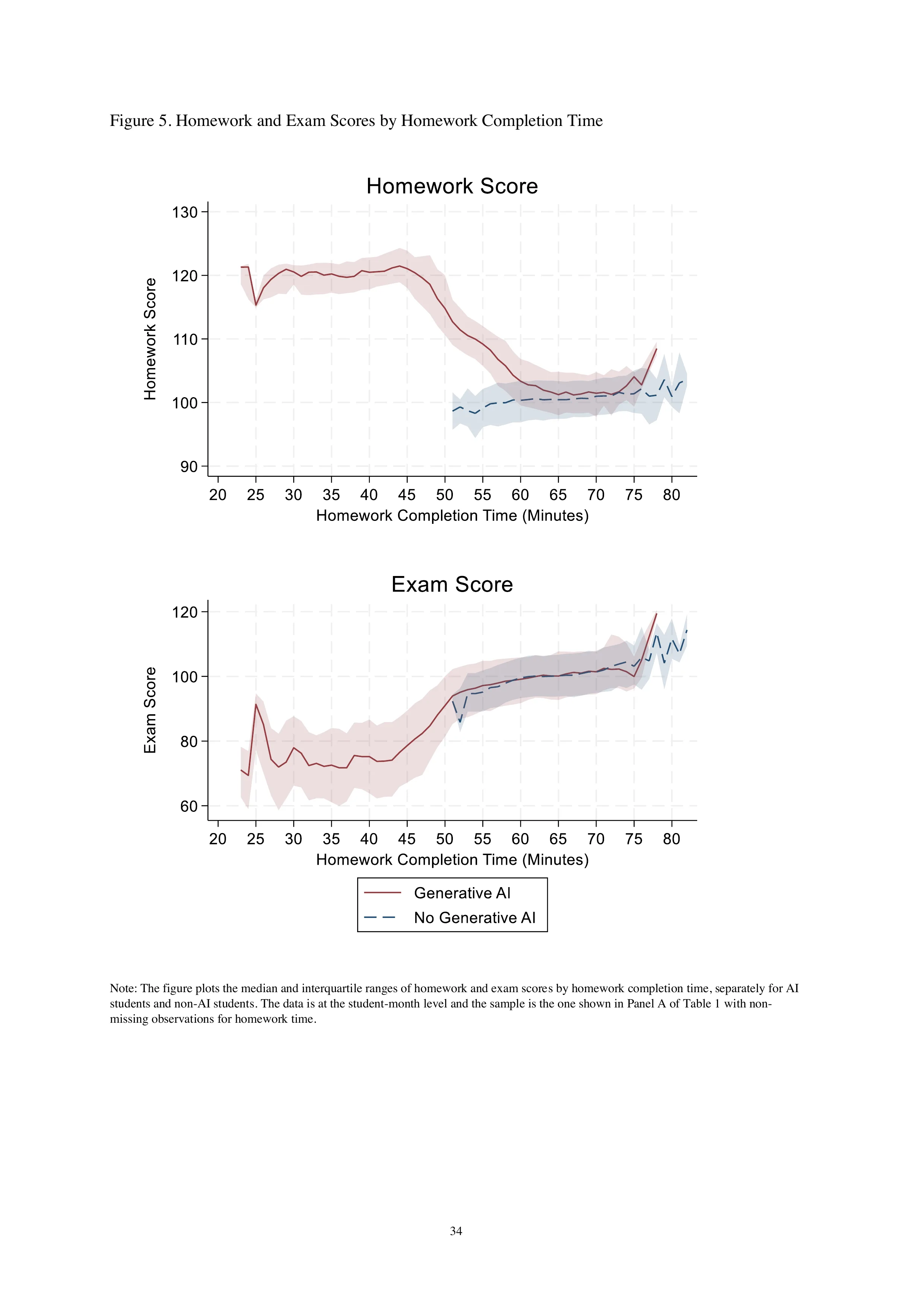
Exhibit 1. Distributions of homework and exam scores plotted against homework completion time, split by AI adoption. Source: Strömberg, D., Lei, V., & Wu, Y. (2026). The Generative AI Learning Penalty: Evidence from Chinese Secondary Education, p. 34.
How Representation Drives Product Adoption
If cognitive outsourcing is the hidden risk, lack of representation is the hidden adoption blocker. We often assume that the sheer novelty of generative AI will drive engagement. But empirical research from The Alan Turing Institute reveals that children are highly discerning users who demand relevance from their tools.
The Turing Institute found that representation is key to adoption. When children do not feel represented in the generative outputs, they simply stop using the tools. A product that generates culturally or visually dissonant outputs breaks the trust architecture required for engagement.
Furthermore, the same research highlights that children have a strong preference for tactile, offline materials over generative AI for creative tasks. Generative AI is not a default winner in the attention economy. It has to earn its place in the workflow. If the output feels generic, biased, or disconnected from the child’s reality, they will abandon the platform. For product leaders, this implies that investing in diverse training data and highly localized prompt tuning is not just an ethical obligation; it is a core retention strategy.
Designing Friction Back Into the Workflow
The mandate for product leaders is clear: we have to redesign our definition of a successful user journey. If we optimize generative AI interfaces for children the same way we optimize them for enterprise productivity, we will actively harm our users.
The evidence points to a counterintuitive product strategy: we need to design friction back into the workflow. The goal is not to give the child the answer as quickly as possible. The goal is to use the AI to scaffold the child’s own thinking. This might mean enforcing pacing delays, requiring the user to explain their reasoning before the AI provides the next step, or limiting the specificity of the AI’s output so the user still has to connect the dots.
AI governance in this space is a product discipline, not a compliance checkbox. The teams that win will be the ones that recognize the difference between doing the work for the user and enabling the user to do the work themselves. When we stop porting over social media playbooks and start designing for cognitive safety, we build products that actually respect the developmental needs of the children using them.
References
- Strömberg, D., Lei, V., & Wu, Y. (2026). The Generative AI Learning Penalty: Evidence from Chinese Secondary Education.
- The Alan Turing Institute. Understanding the Impacts of Generative AI Use on Children.
Frequently asked questions
Why do social media safety frameworks fail for generative AI products?
Social media safety focuses on content moderation and preventing exposure to harmful material. Generative AI products introduce a different risk profile centered on cognitive outsourcing, where the harm comes from the AI doing the thinking for the user.
What is the generative AI learning penalty?
The generative AI learning penalty occurs when short-term performance gains from using AI mask a long-term degradation in skill acquisition. A 2026 study found that while AI raised task scores by 18%, it lowered subsequent closed-book exam scores by 20% within six months.
How does representation affect children's adoption of generative AI?
Representation is a primary driver of adoption for young users. Research from the Alan Turing Institute shows that when children do not feel represented in the outputs generated by AI tools, they actively choose not to use them.