Articles
Thinking on strategic management, product-led growth, evidence-based decision making, and AI.
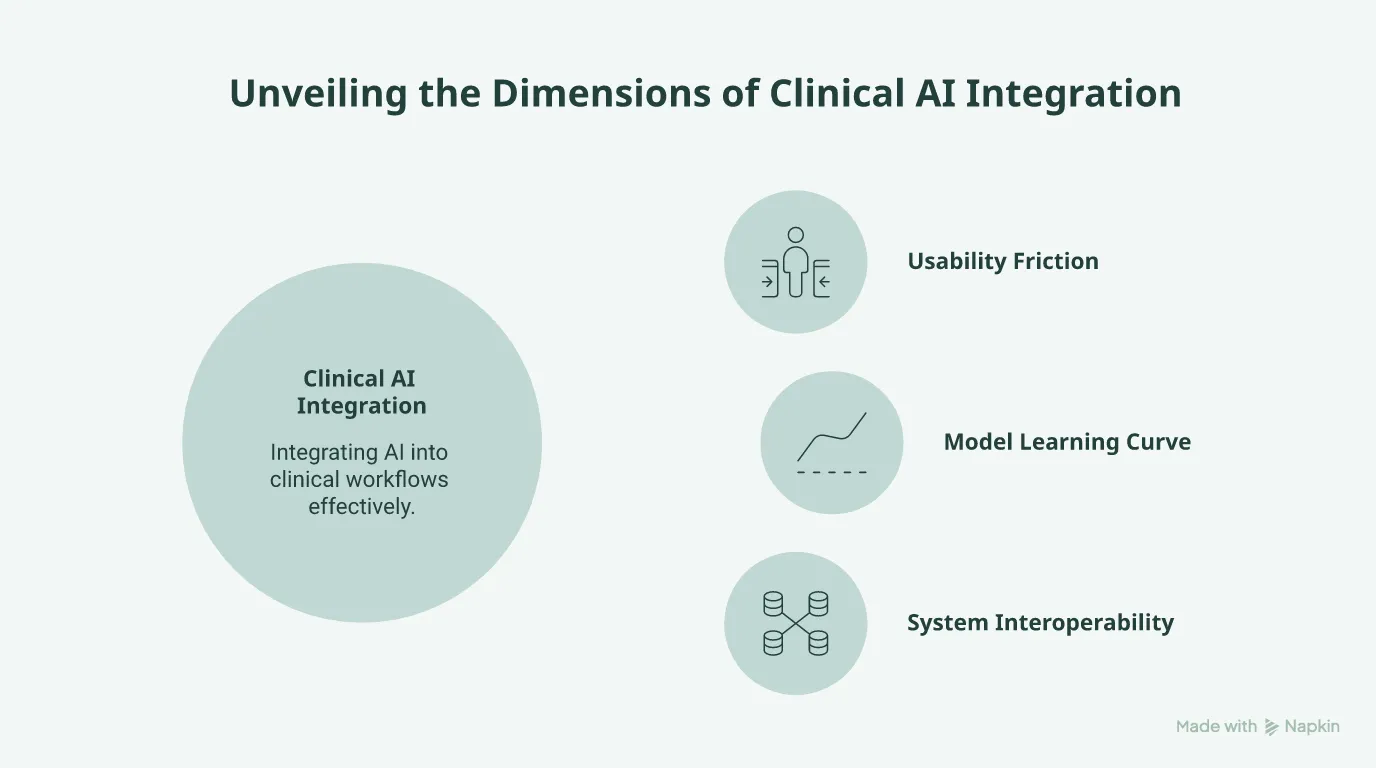
Clinical AI Has an Evidence Problem, and It Is Economic
Clinical AI adoption requires more than regulatory approval and accuracy. Without a standardized economic case and workflow integration, deployments will stall.
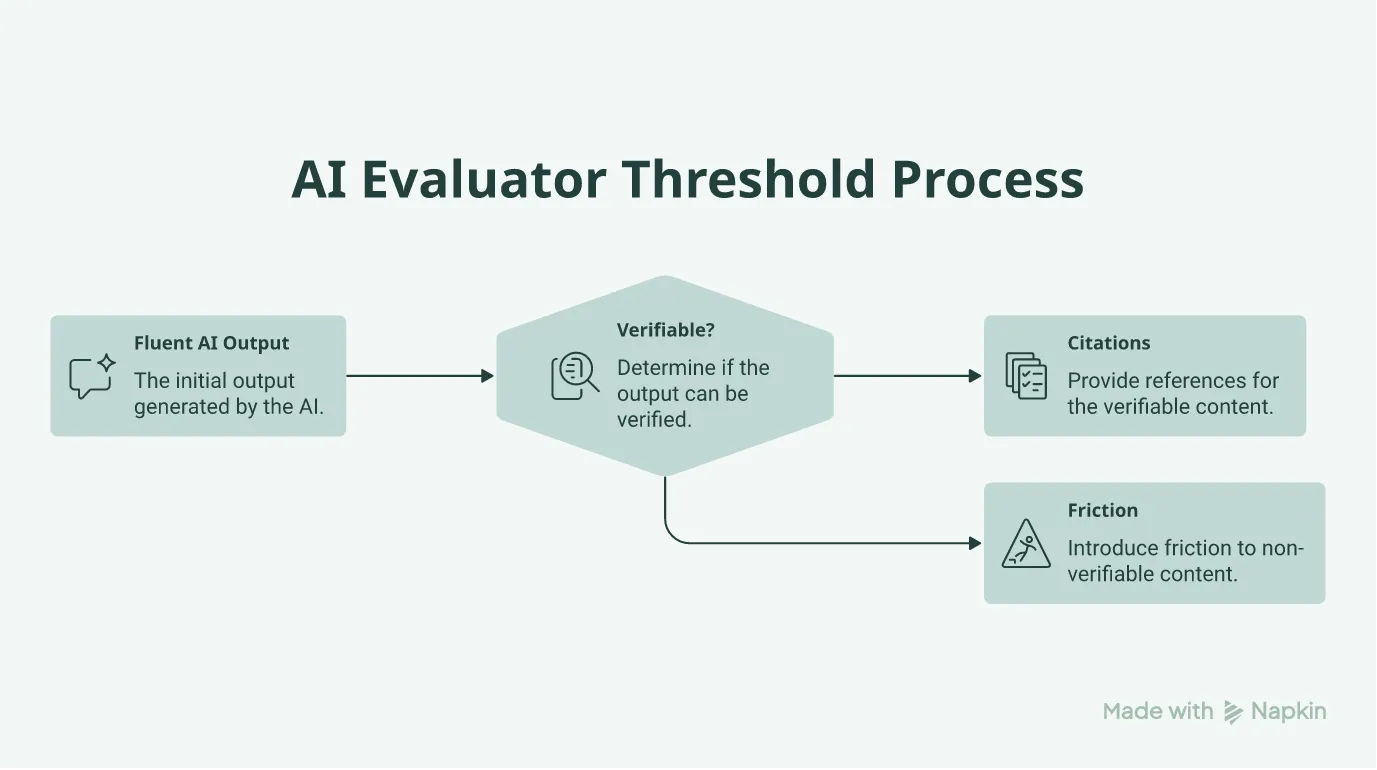
Critical Thinking With AI Is a Separate Skill, and It Can Be Measured
General critical thinking doesn't transfer to AI use. For product teams, AI literacy is a testable requirement, not an abstract aspiration.
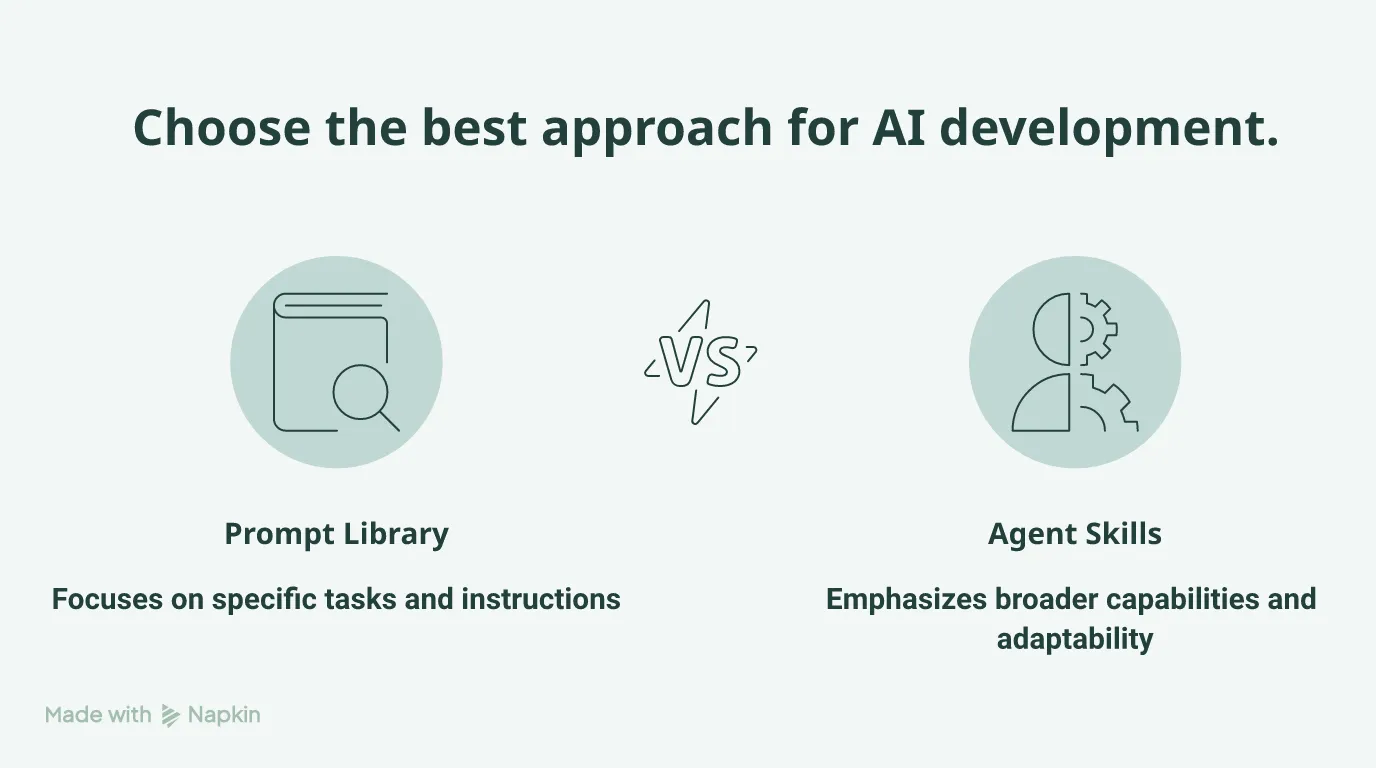
Skills Replace Prompts as the Unit of Reuse
Prompt libraries never compounded. Packaged, versioned, and self-improving skills have become the new unit of reuse, fundamentally changing agentic engineering.
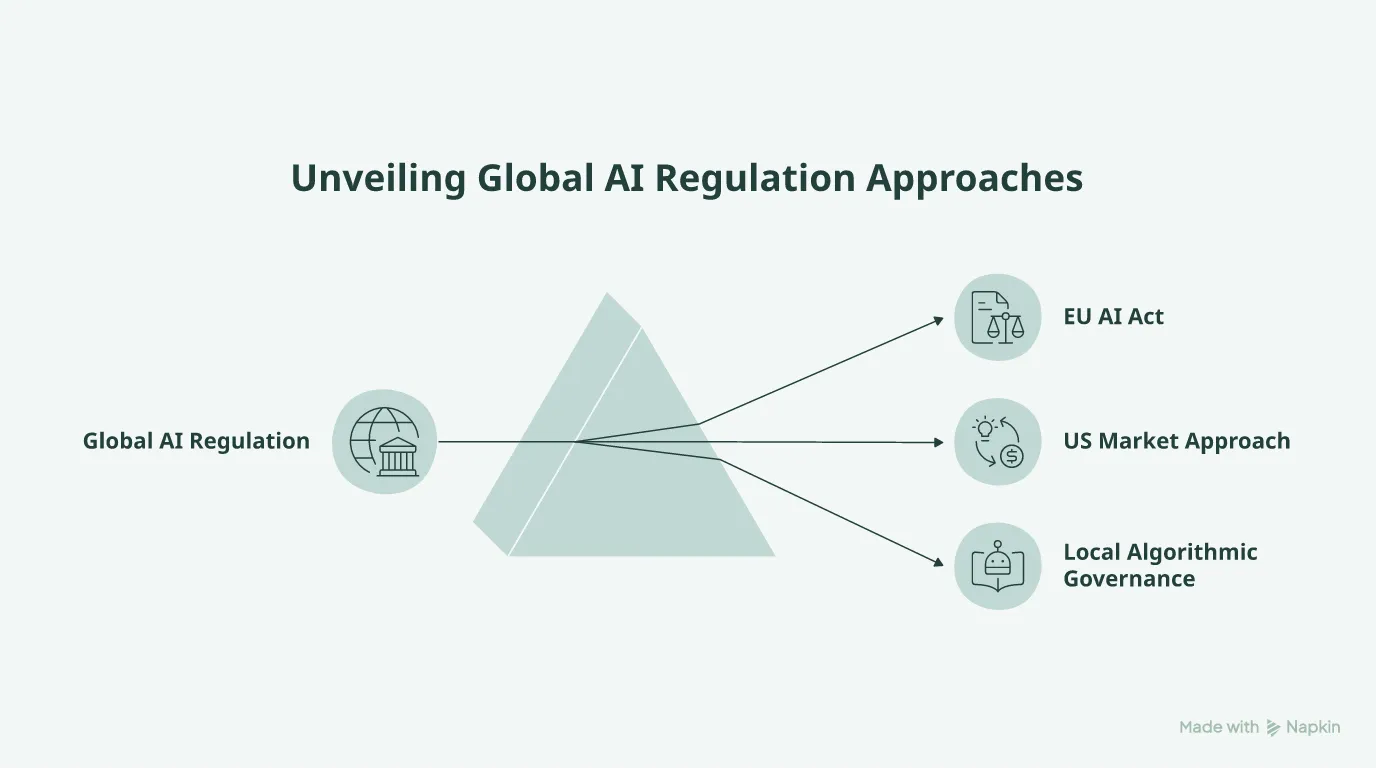
There Is No Global AI Race. There Are Nine Different Bets.
Global AI regulation isn't a race between the EU and US; it's a mix of nine distinct approaches. Architect for modular compliance to ship cross-border.
Investors Stopped Rewarding AI Announcements
Investors now discount AI announcements. To drive valuation, companies must prove AI transforms products and scales revenue under strict ROIC discipline.
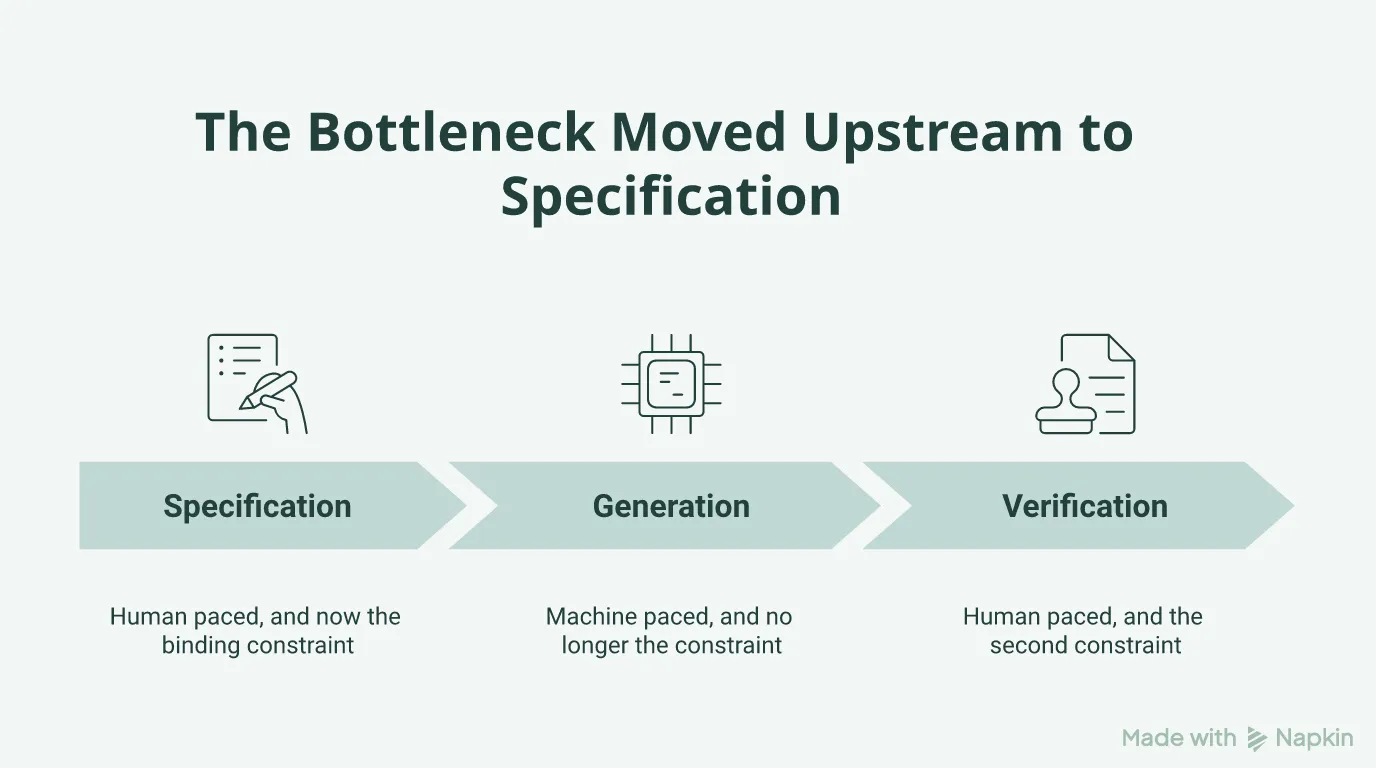
The Spec Is the Bottleneck, Not the Model
Coding agents removed typing as the constraint. They moved it upstream to specification, and most teams have not staffed that shift.
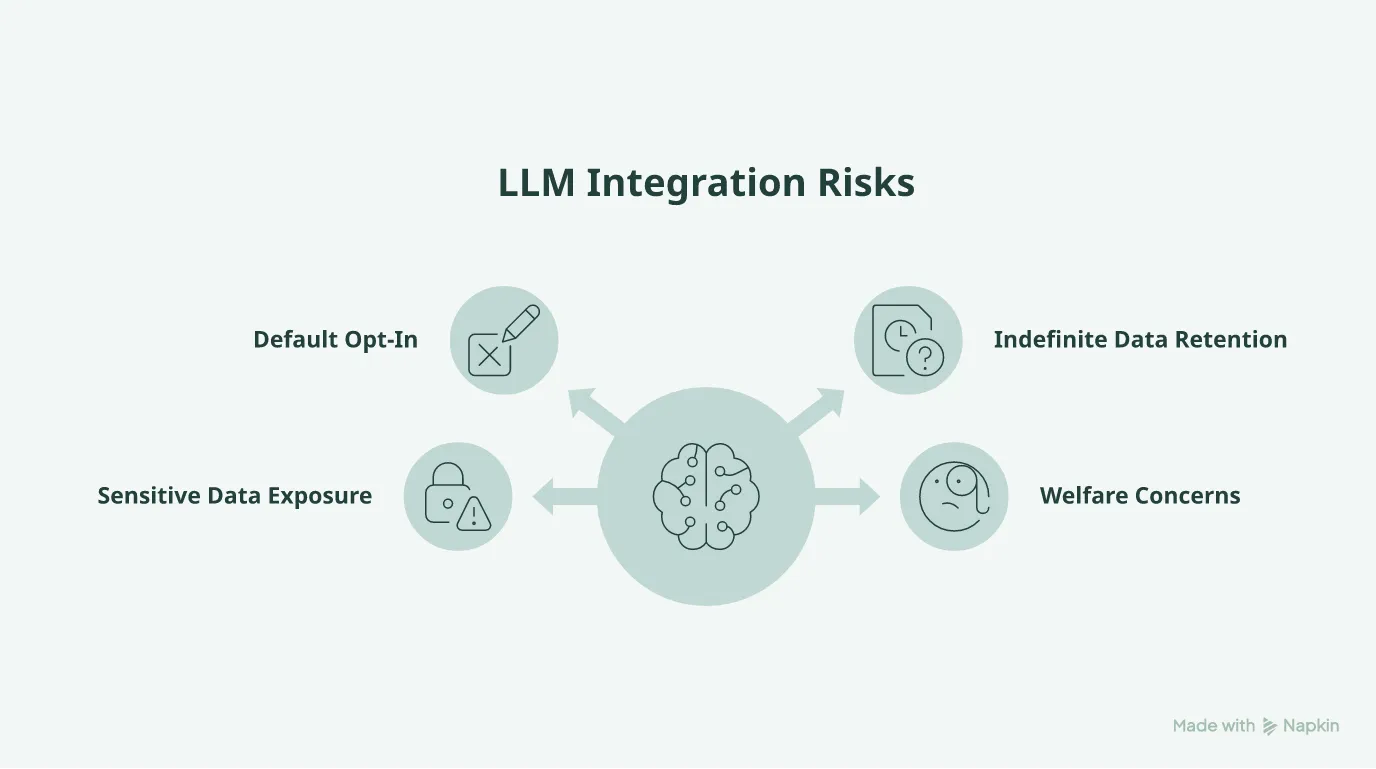
Auditing What LLM Providers Actually Promise About Your Data
Enterprise product teams must actively audit frontier LLM privacy policies to avoid accepting undisclosed privacy risk on behalf of their users.
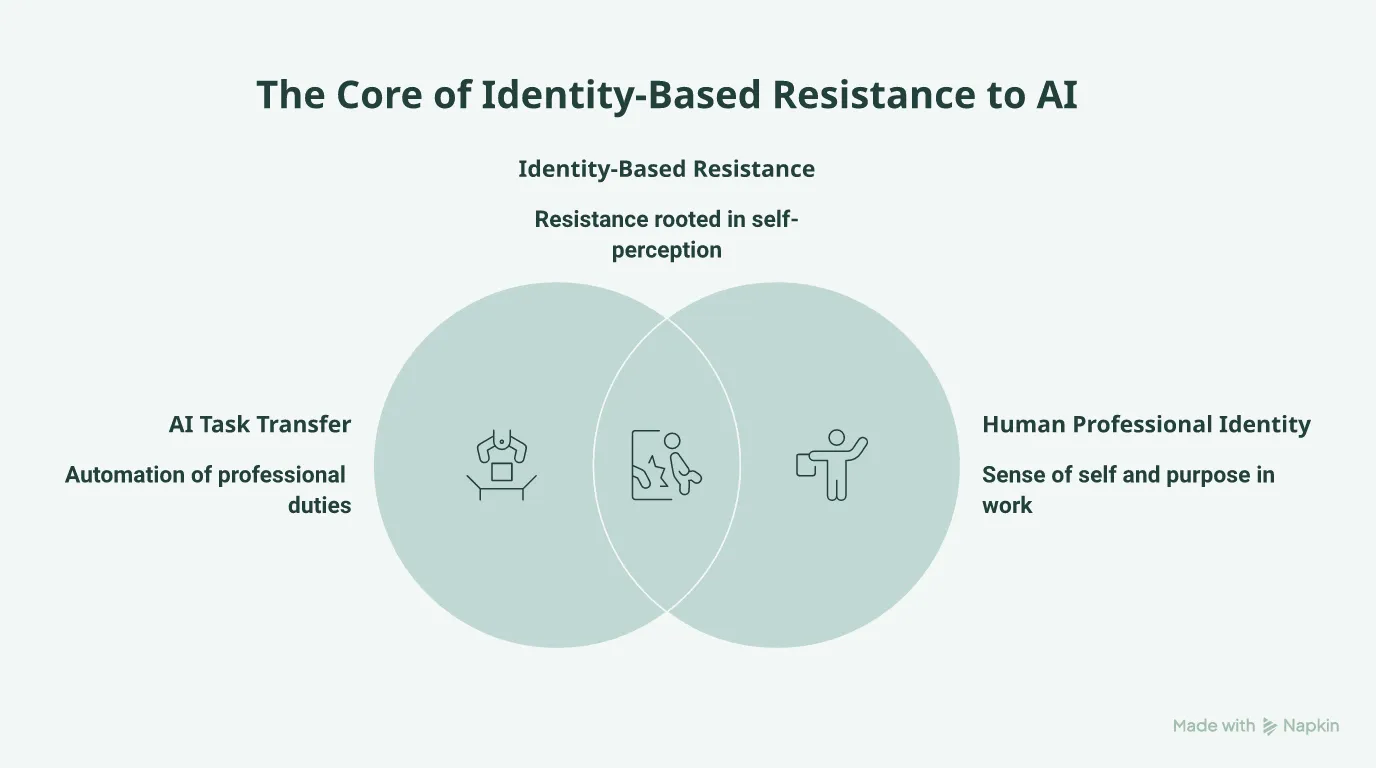
How AI Redefines Professional Identity in the Automation Era
AI adoption doesn't just change tasks, it destabilizes professional identity. Why change management focused only on skills transfer is failing the workforce.
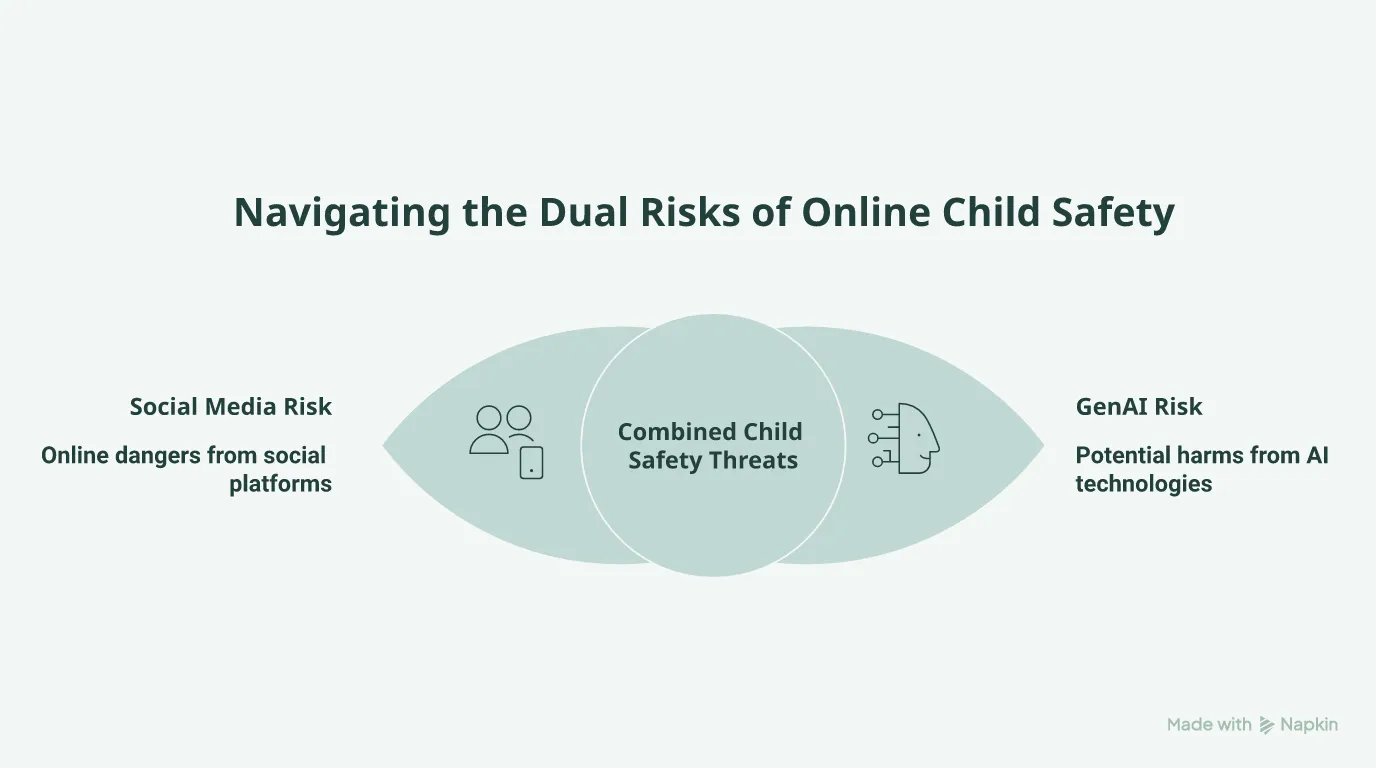
Designing GenAI Products That Children Actually Use Safely
Social media safety frameworks focus on what children see. Generative AI harms stem from what they stop doing. Here is how to design for cognitive safety.
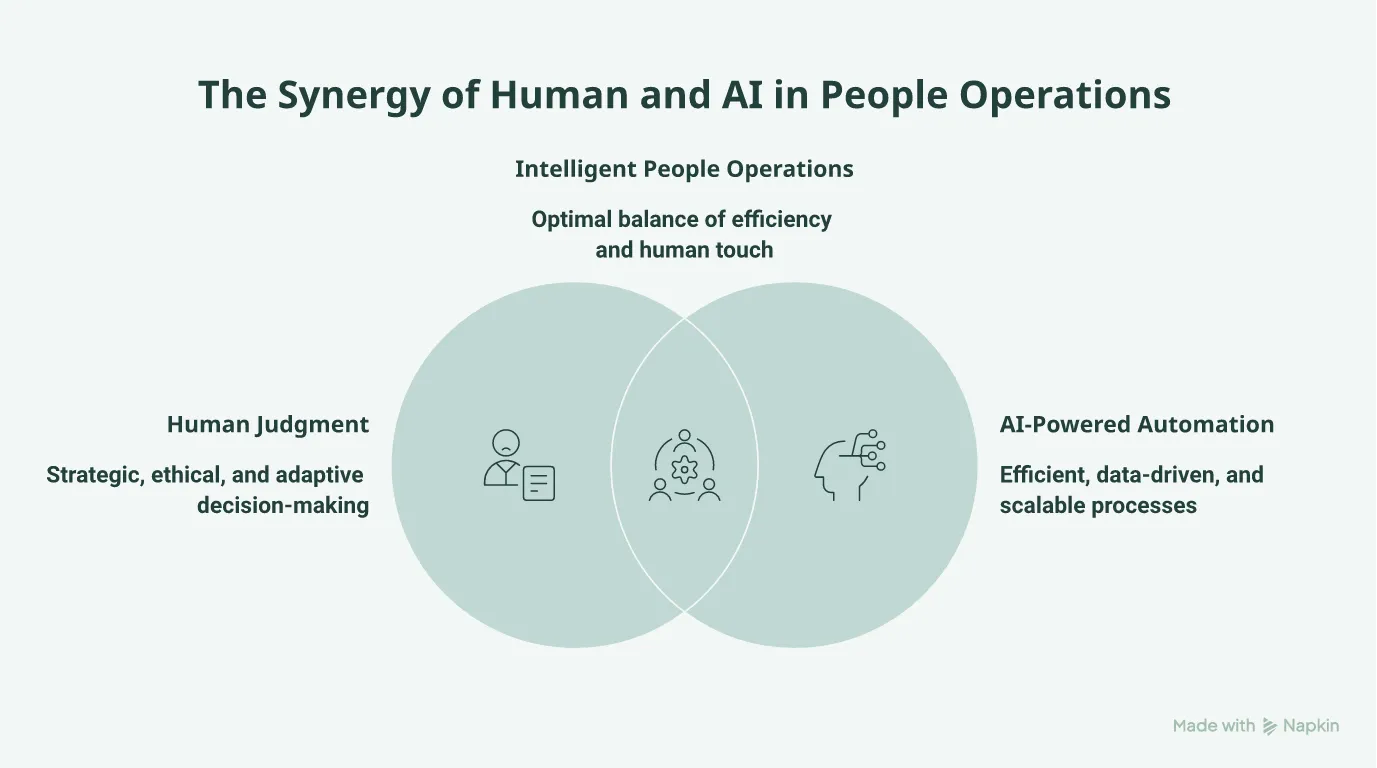
Redesigning People Operations for an Autonomous Workforce
When AI becomes a workforce rather than just a tool, incremental HR adaptations fail. CHROs must redesign hiring and progression for the symbiotic enterprise.
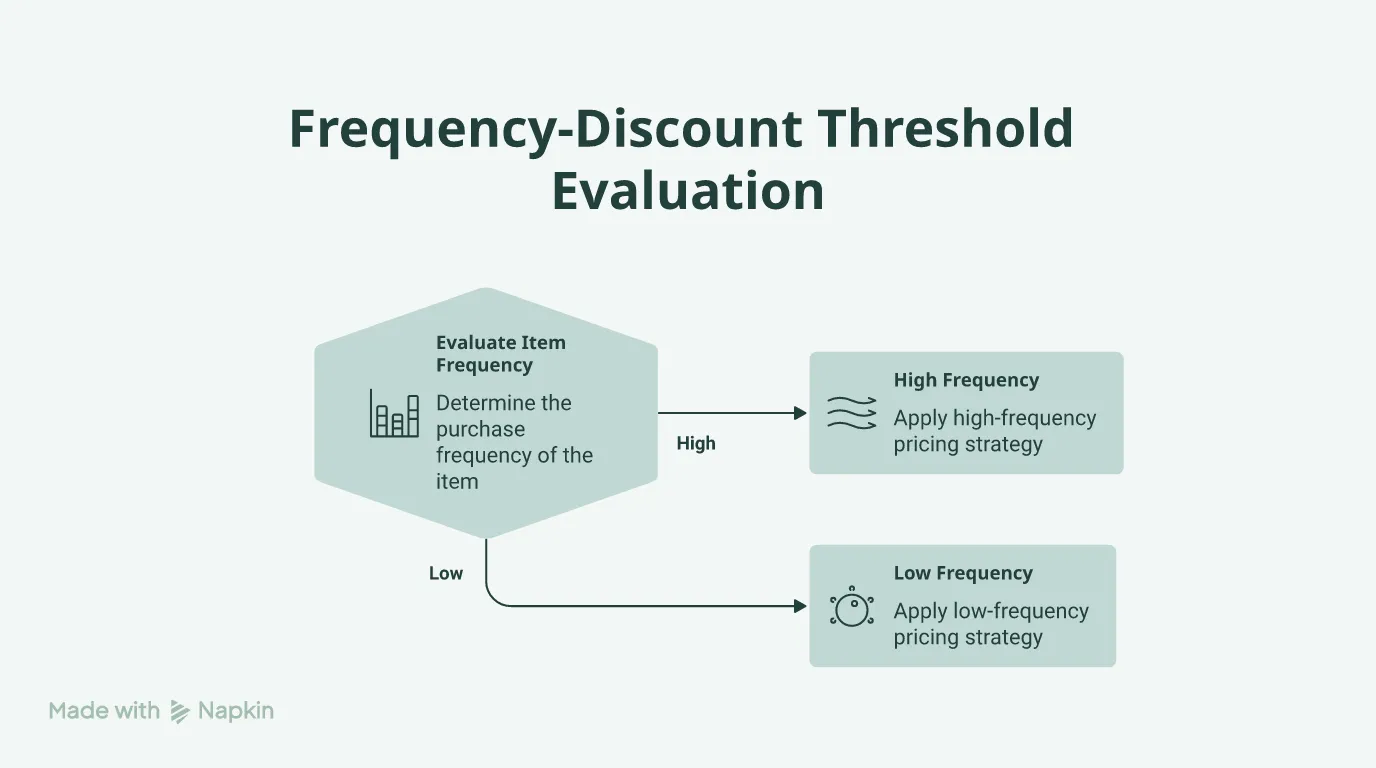
Why the Same Price Feels Unfair Across Different Channels
Consumers apply different fairness standards to identical prices depending on the channel and product category. Pricing teams often ignore this dynamic.
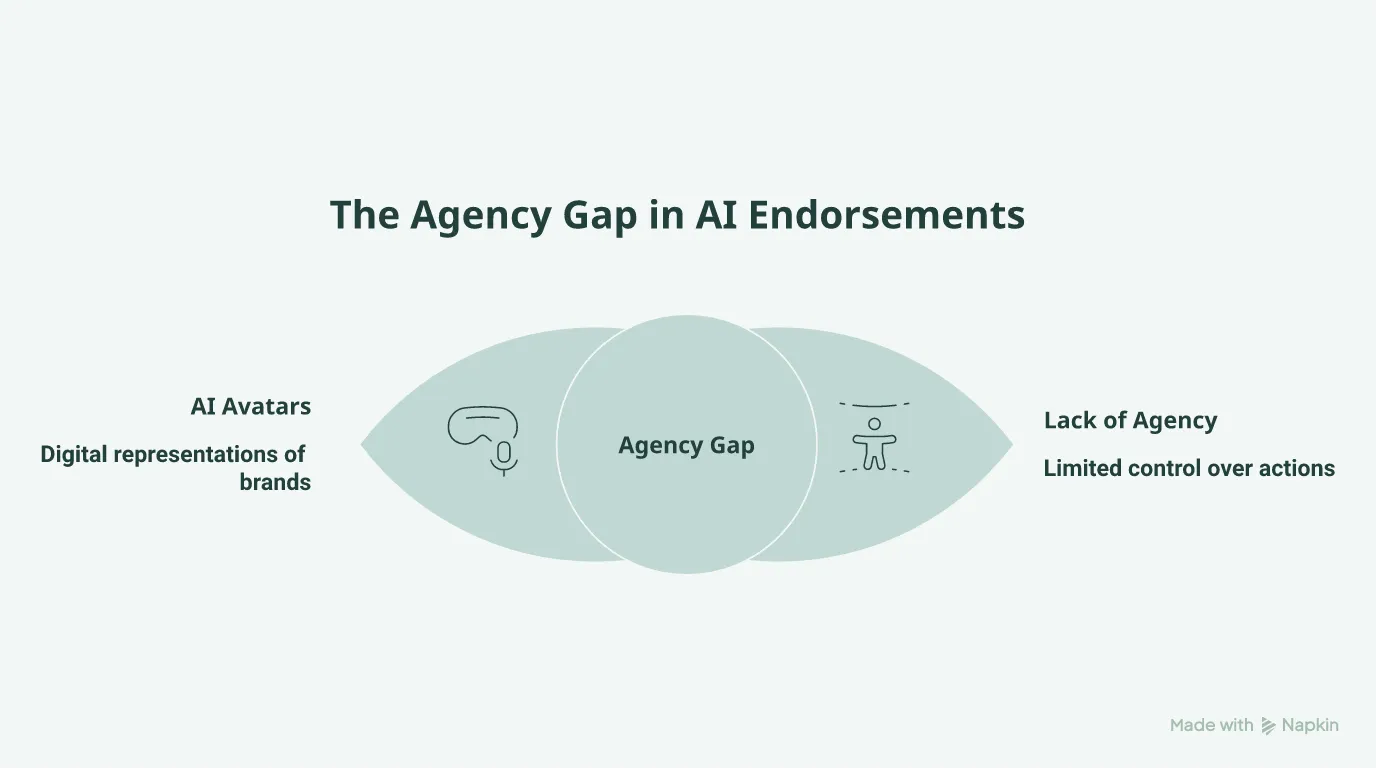
How AI Influencers Break the Trust Architecture of Digital Endorsements
Brands assume hyperrealistic AI influencers build trust identically to human creators. The evidence shows consumers process their lack of agency differently.
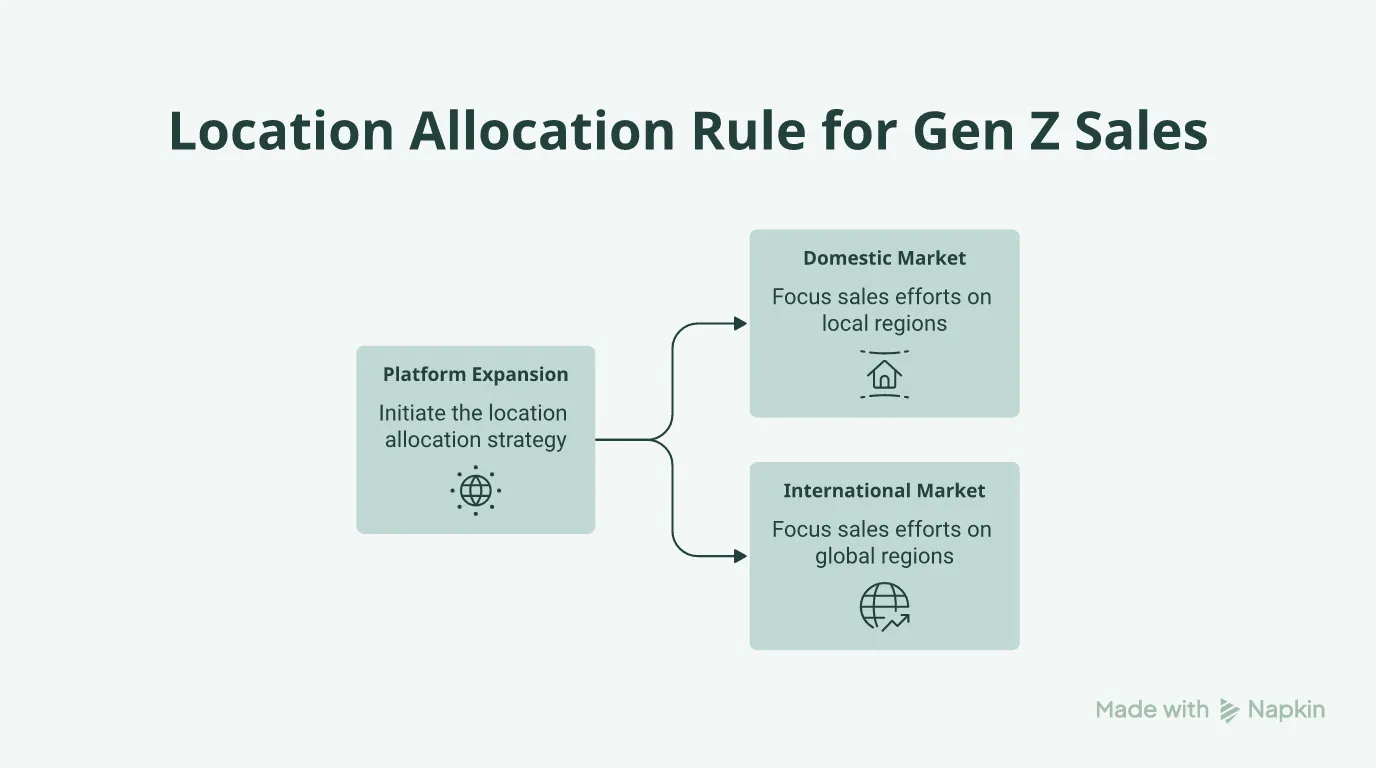
Why Where You Sell Changes How You Sell to Gen Z
E-shop location shifts Gen Z buyer behavior. Marketing and trust strategies that succeed domestically often fail when applied to international expansion.
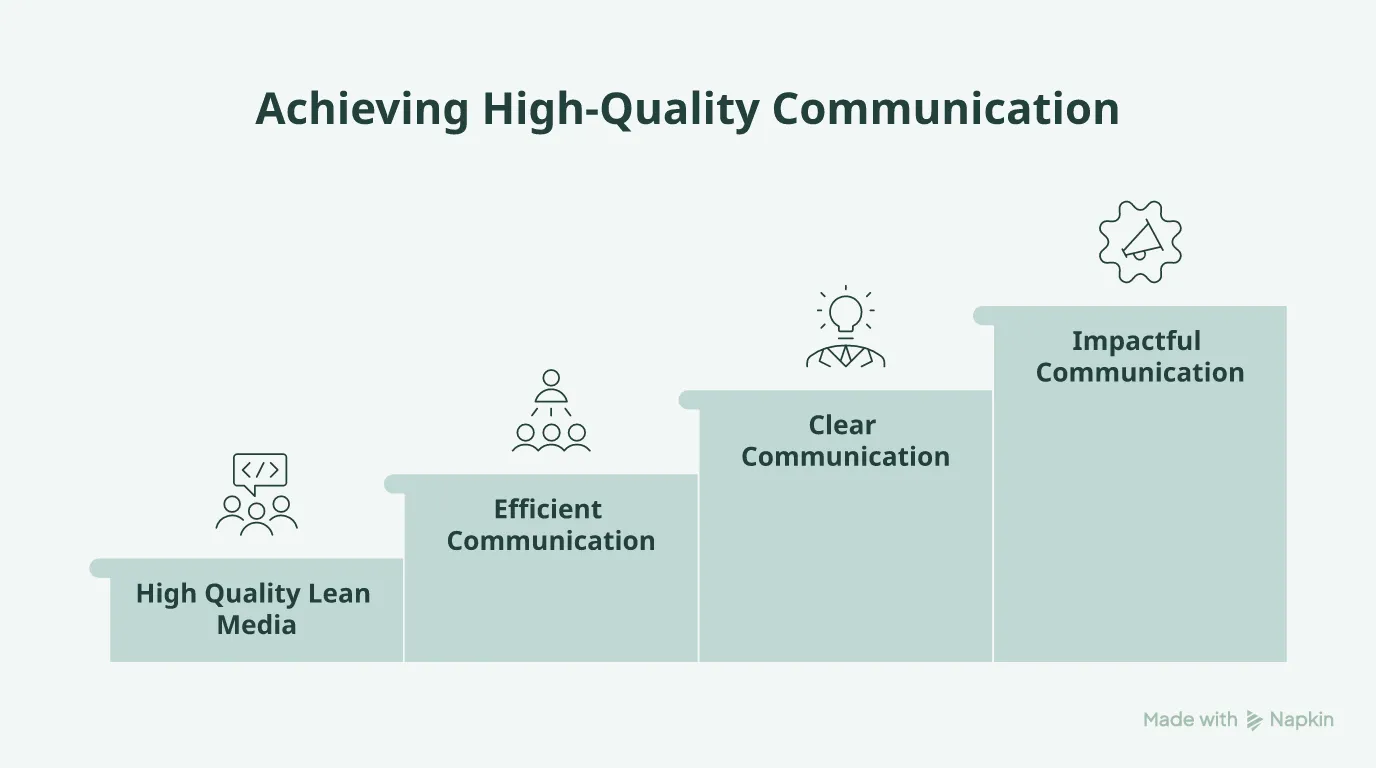
Why the Async-First Operating Model Outscales Synchronous Teams
Async isn't a remote work concession, it is a deliberate operating model that outperforms synchronous cultures when designed purposefully.
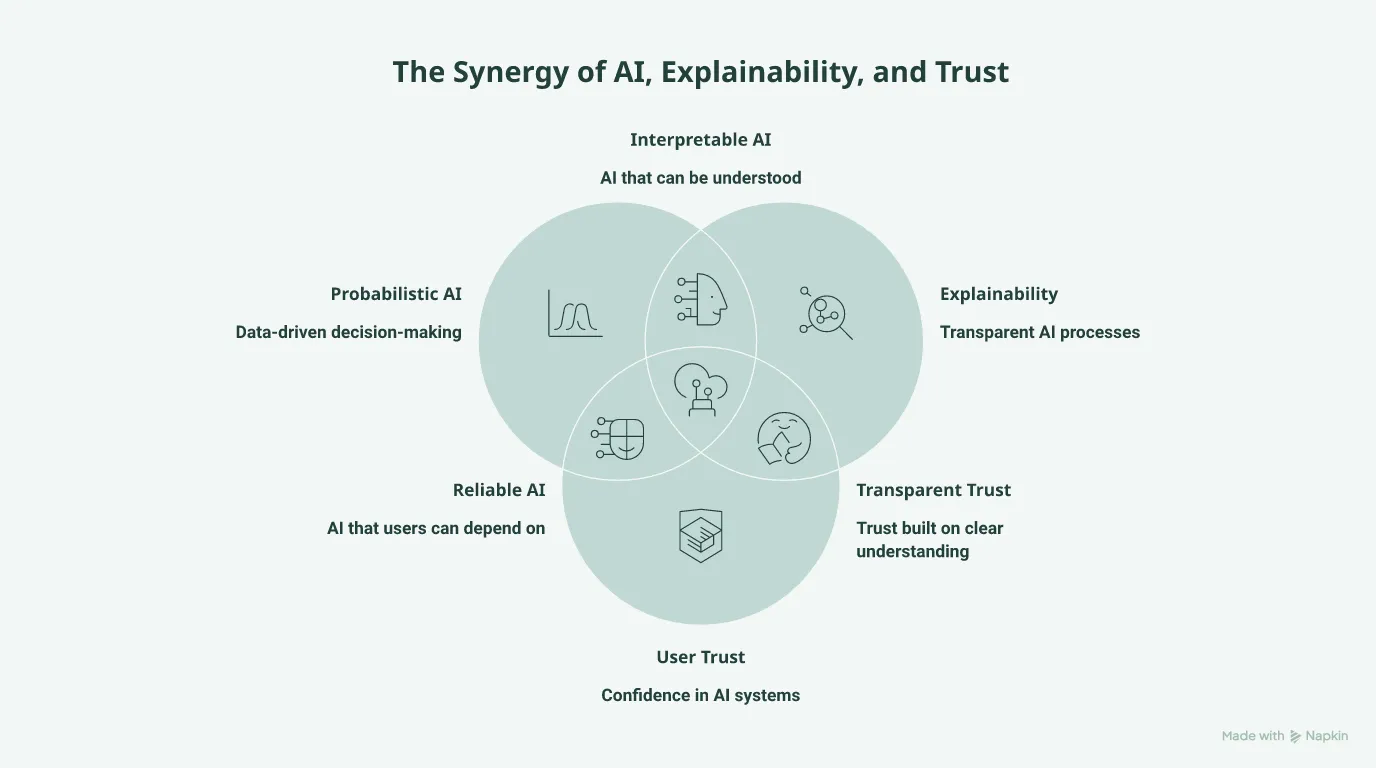
Why Explainability Is the Ultimate Growth Lever for Probabilistic Credit Models
As banks shift from deterministic scorecards to probabilistic AI, the barrier to adoption is the emotional and regulatory anxiety that opaque decisions create.
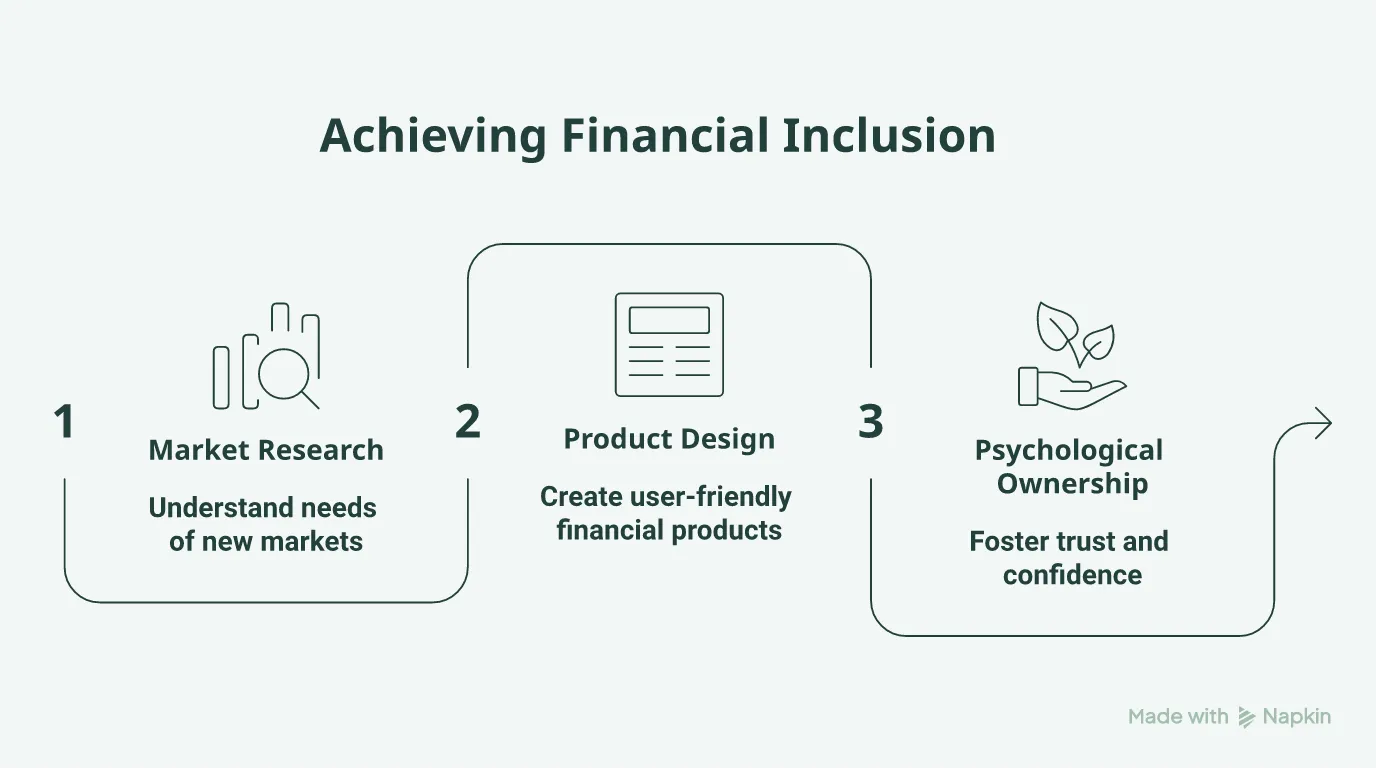
Financial Inclusion Is a Product Problem Not a Charity
Algorithmic lending and digital wallets do not automatically democratize access. The data shows that financial inclusion requires deliberate product design.
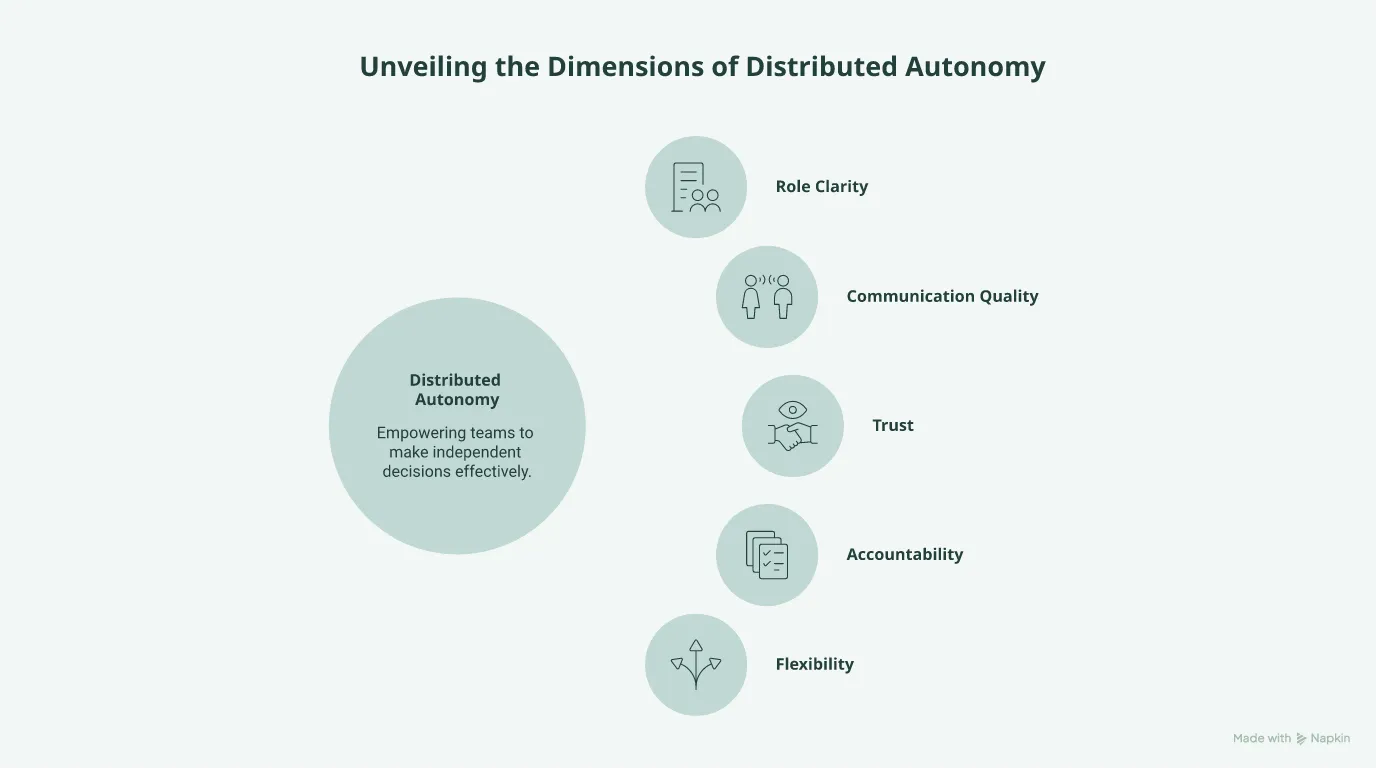
Finding the Autonomy Sweet Spot in Distributed Teams
Autonomy in remote teams isn't a linear good. Evidence shows that too little or too much freedom hurts coordination, making managerial role clarity the anchor.
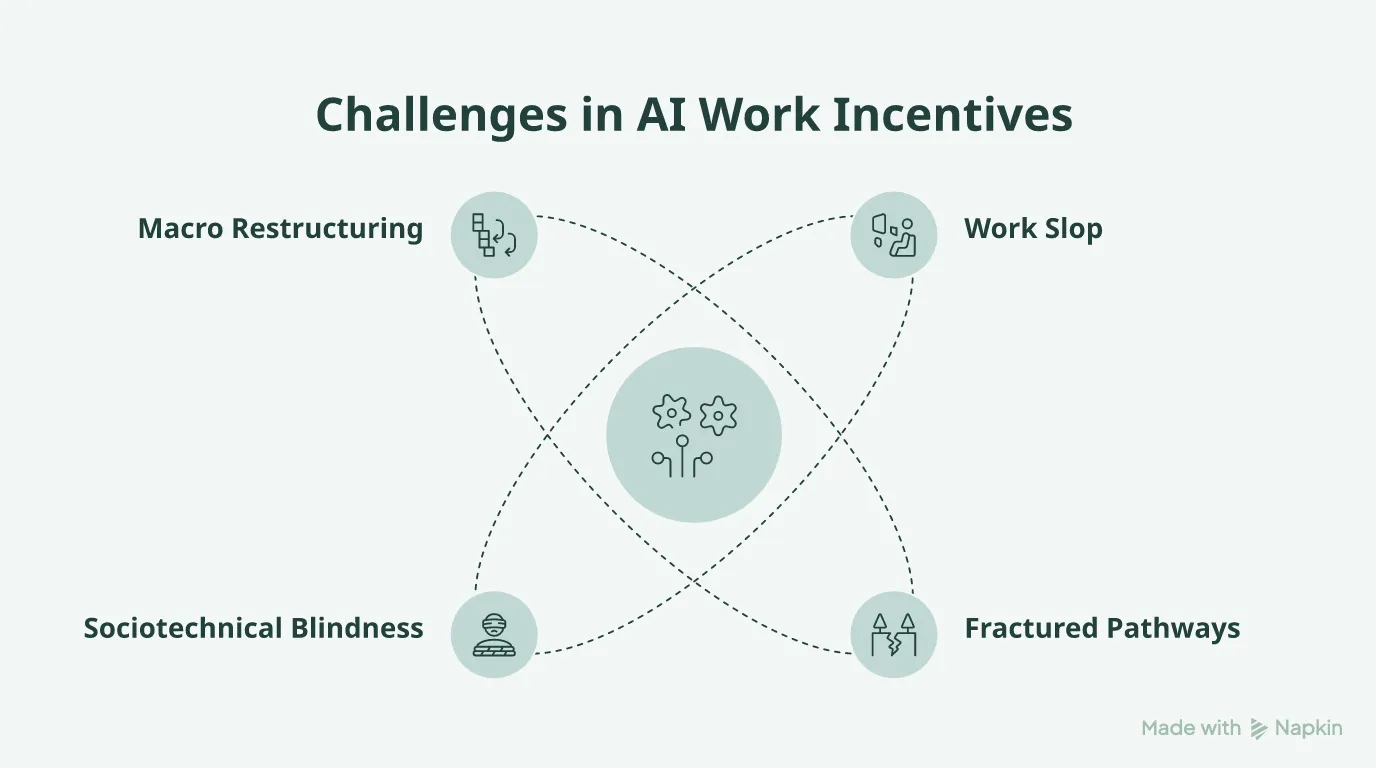
Why the AI-Heavy Organization Breaks Traditional Work Incentives
Automating work is rarely a pure efficiency gain. Instead, it locks in new capability bottlenecks and forces a structural redesign of early career pathways.
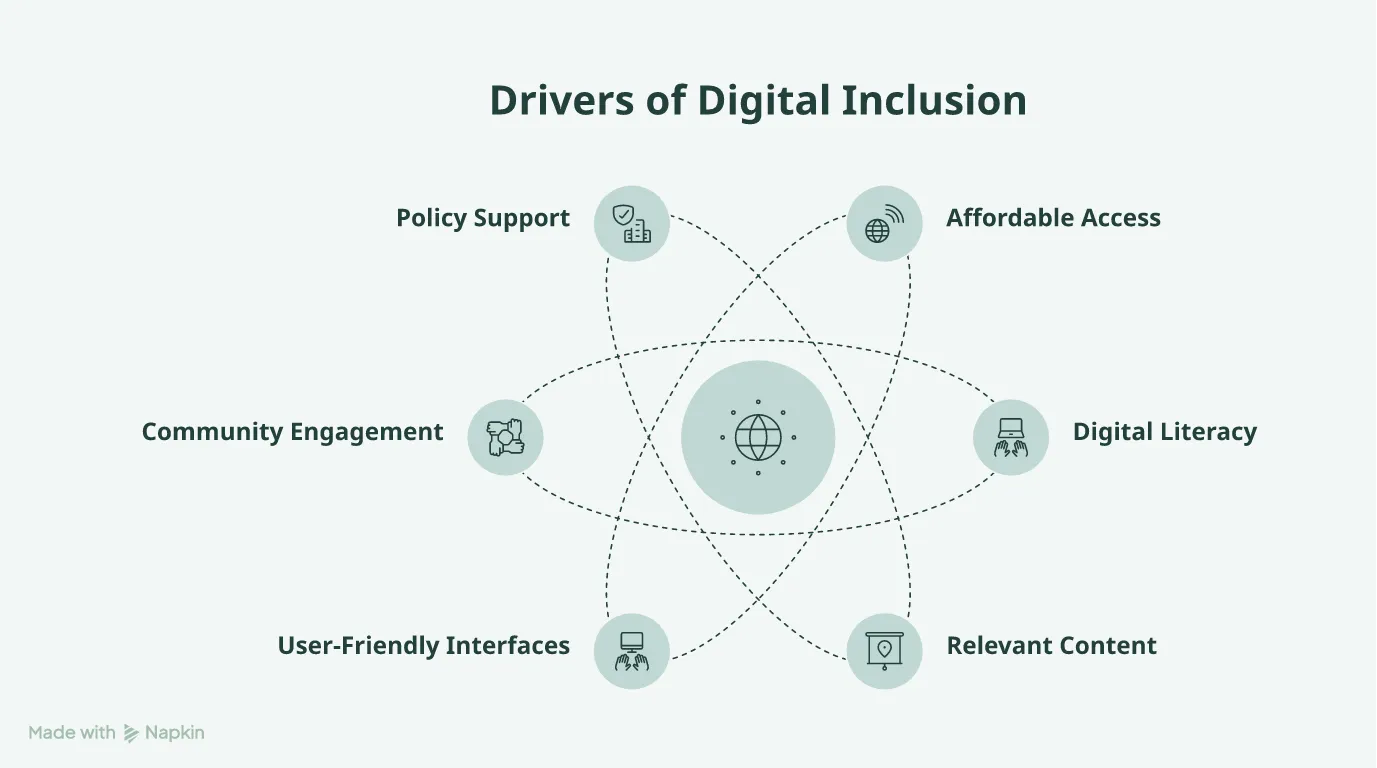
Why Access Does Not Guarantee Participation in Emerging Markets
Expanding into emerging markets requires more than an app. True participation depends on algorithmic visibility, spatial equity, and financial resilience.
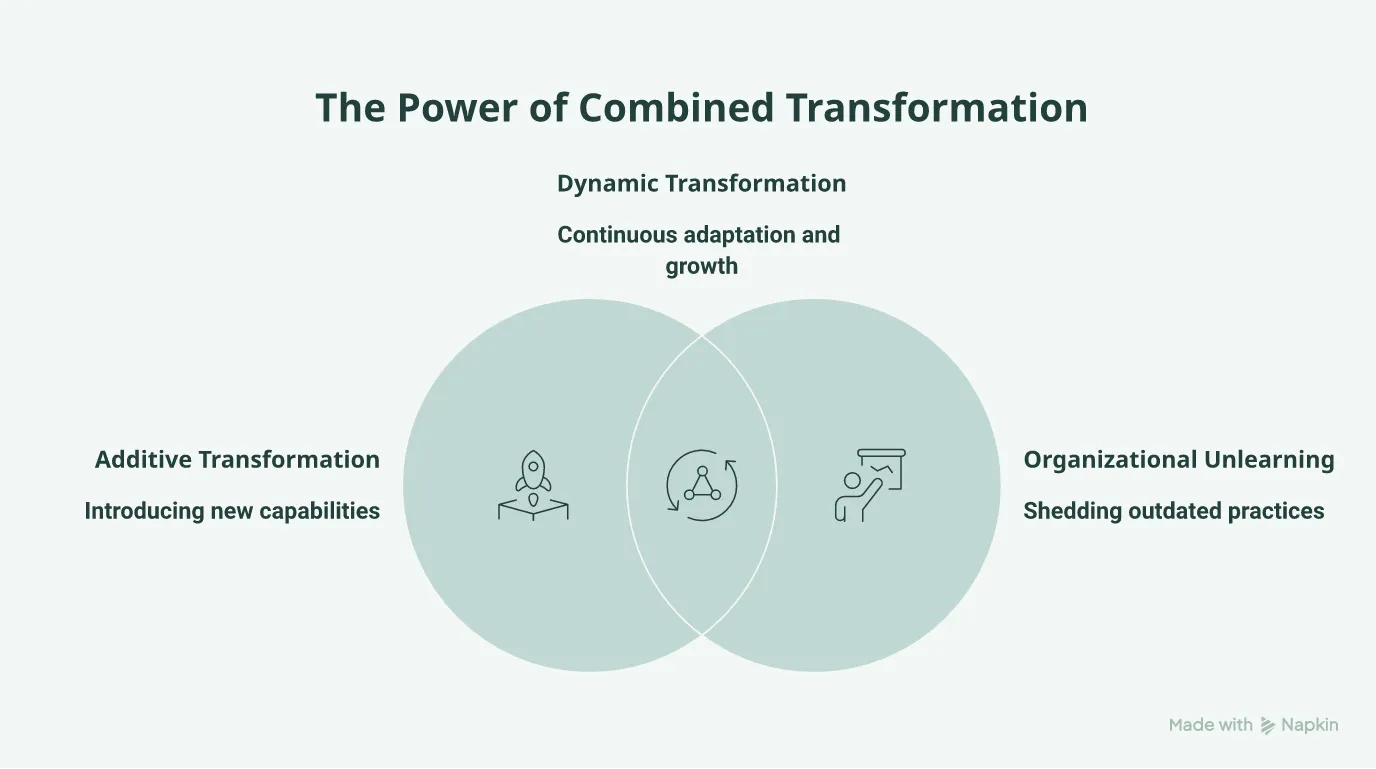
Unlearning as the Hidden Engine of Digital Transformation
When digital transformation stalls, the problem isn't usually missing capability. It's the refusal to discard the obsolete routines standing in the way.
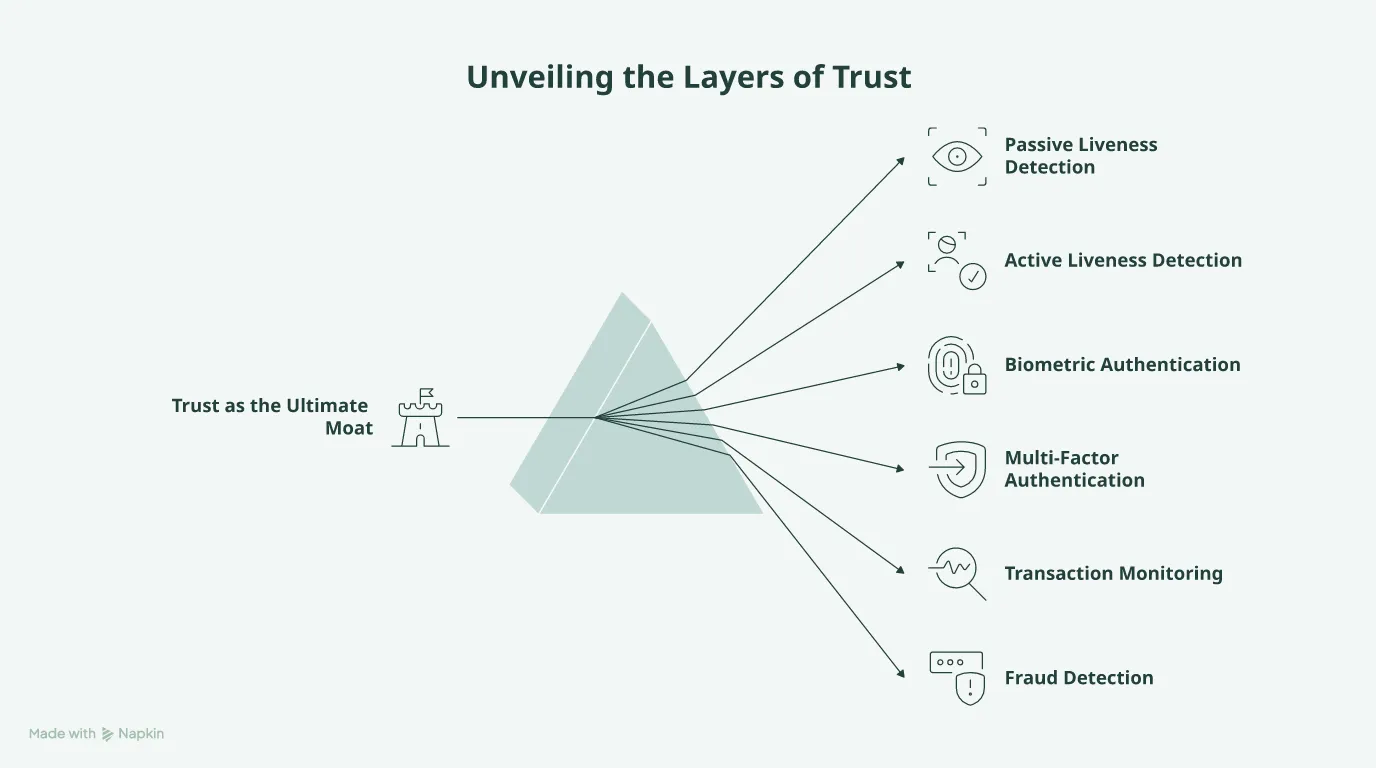
How Trust Became the Indonesian Wallet's Ultimate Moat
With AI-driven deepfake fraud surging 1,550%, the traditional compliance checkbox is no longer enough. Trust and fraud defense must become the product itself.
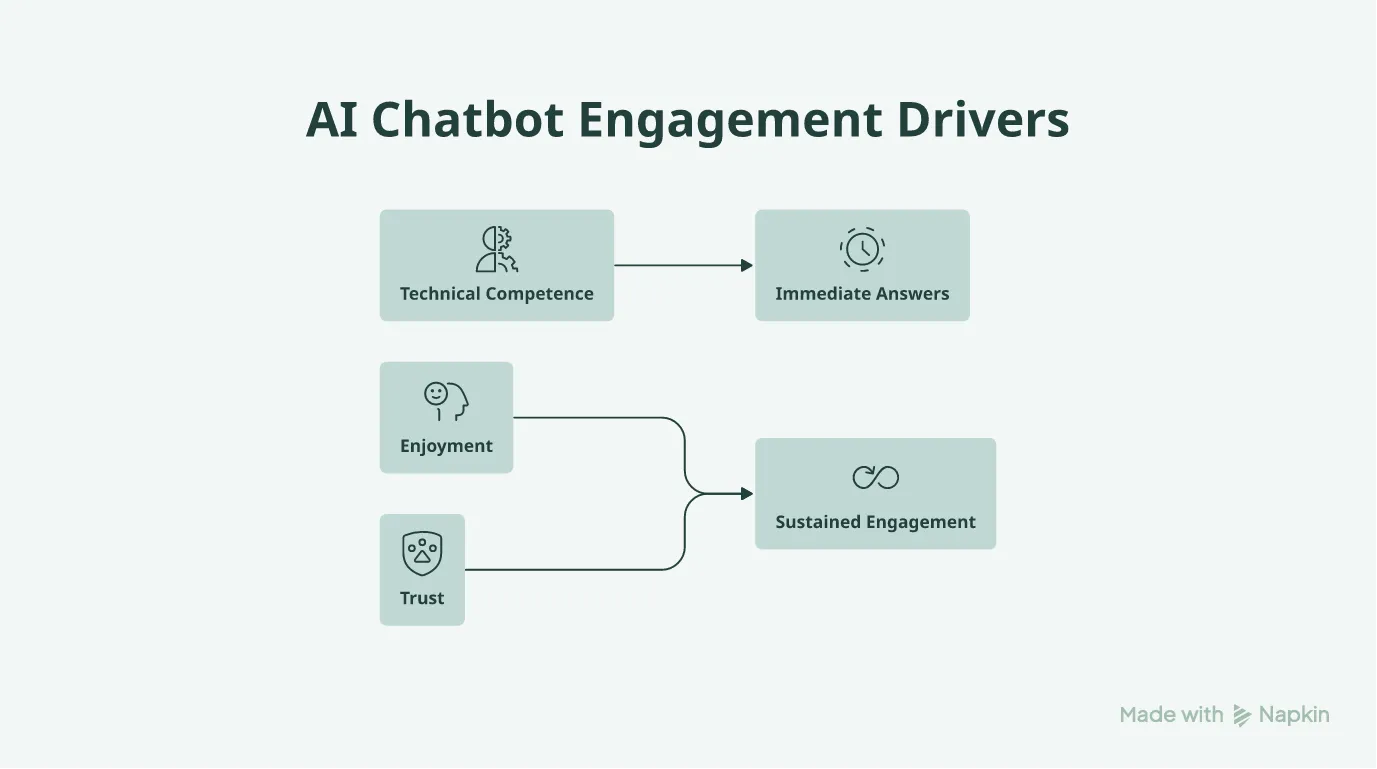
Why AI Chatbots Don't Automatically Build Independent Users
Giving struggling users an AI assistant won't automatically make them independent. Without emotional engagement, the technology often falls flat.
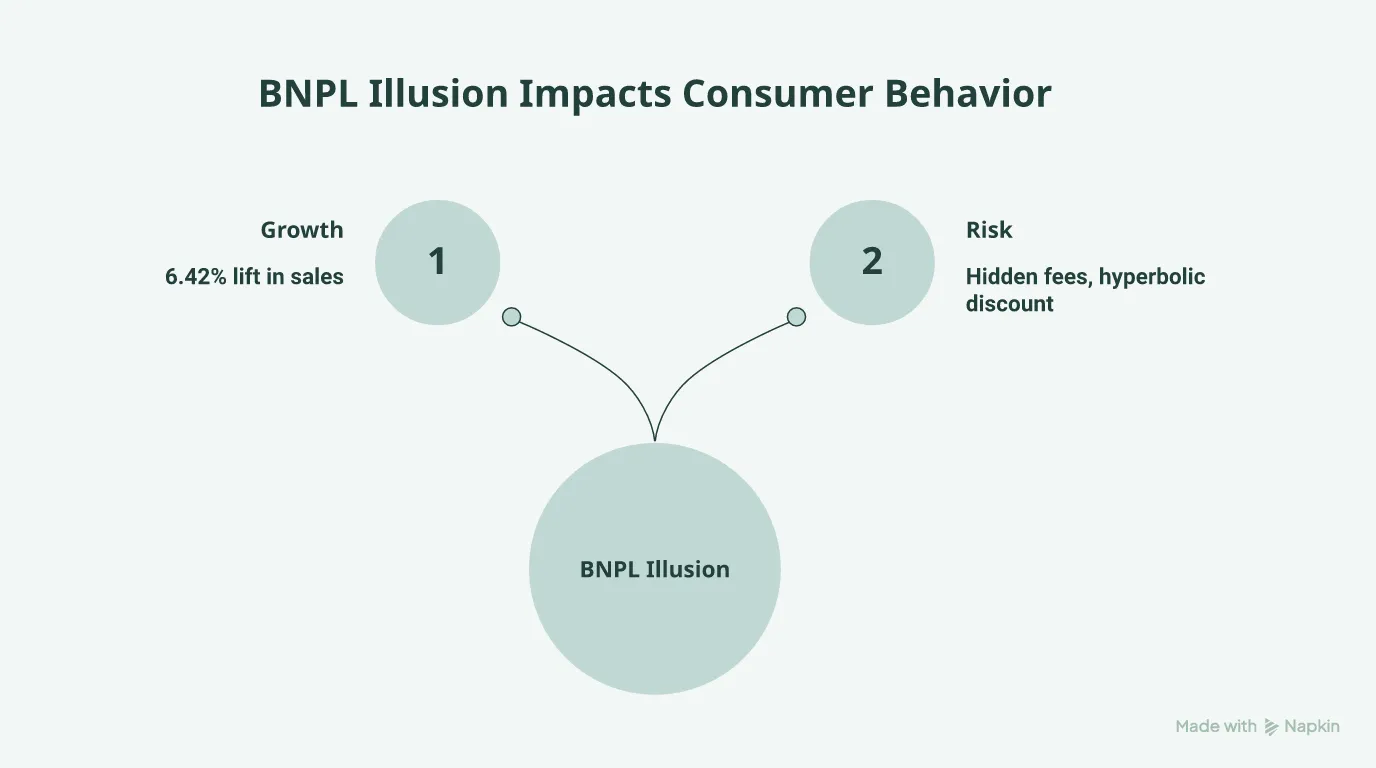
How Buy Now, Pay Later Really Changes Purchase Behavior
BNPL undeniably drives larger orders and reaches new buyers. But when consumers underestimate the costs, the short-term growth masks long-term risk.
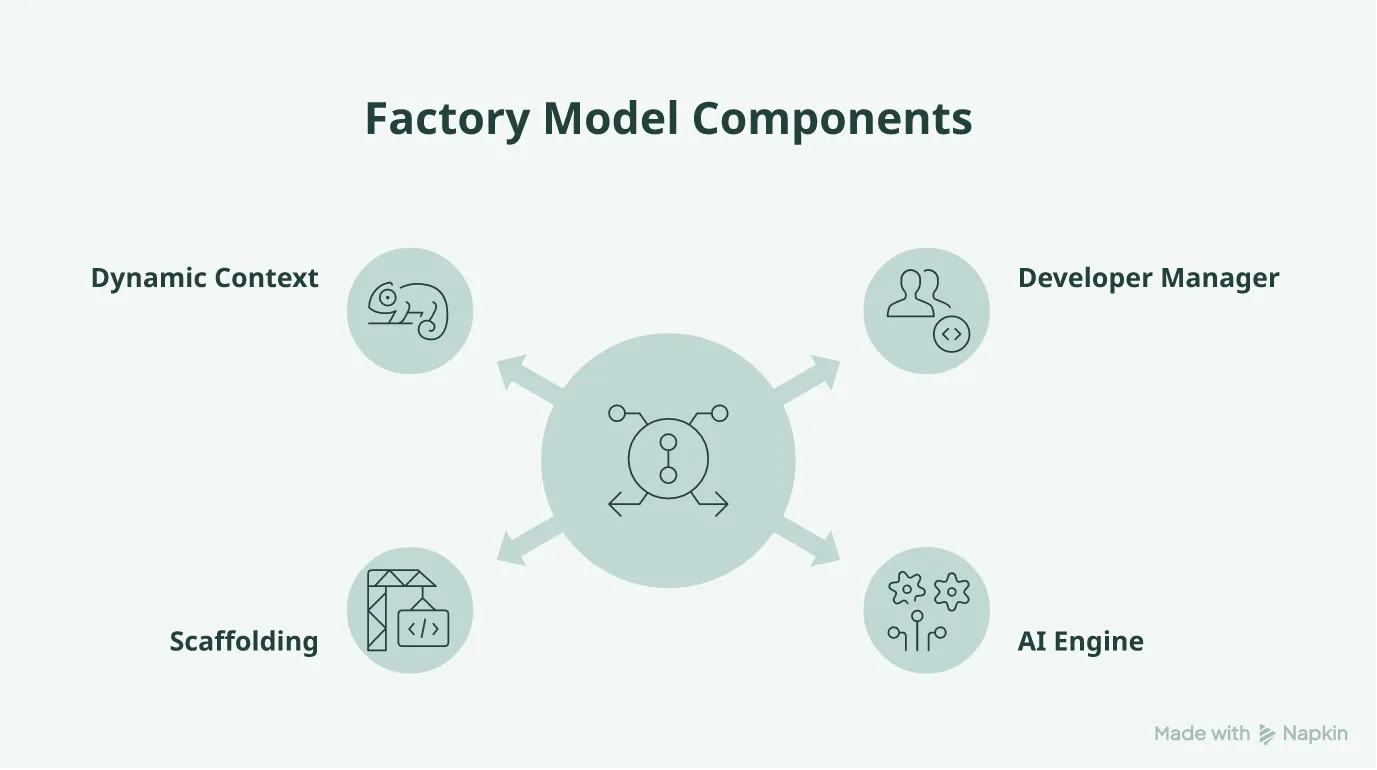
From Ticket-Taking to Agentic Engineering
The ticket-driven SDLC is breaking under AI. By treating context as infrastructure, we shift from writing code to building the systems that produce it.
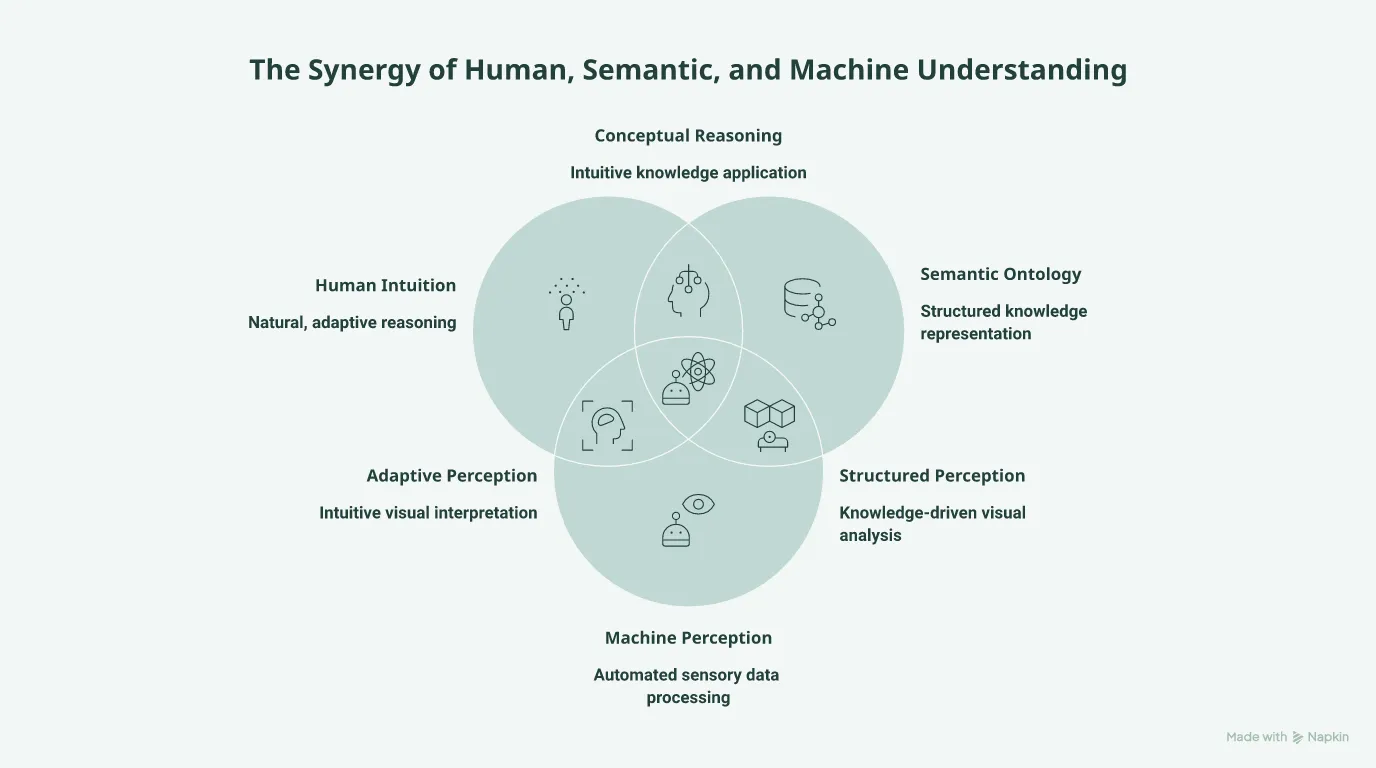
The Specs Are Different Now for Probabilistic Software
When software behavior is probabilistic rather than deterministic, traditional acceptance criteria break down. Here is how product teams must adapt.
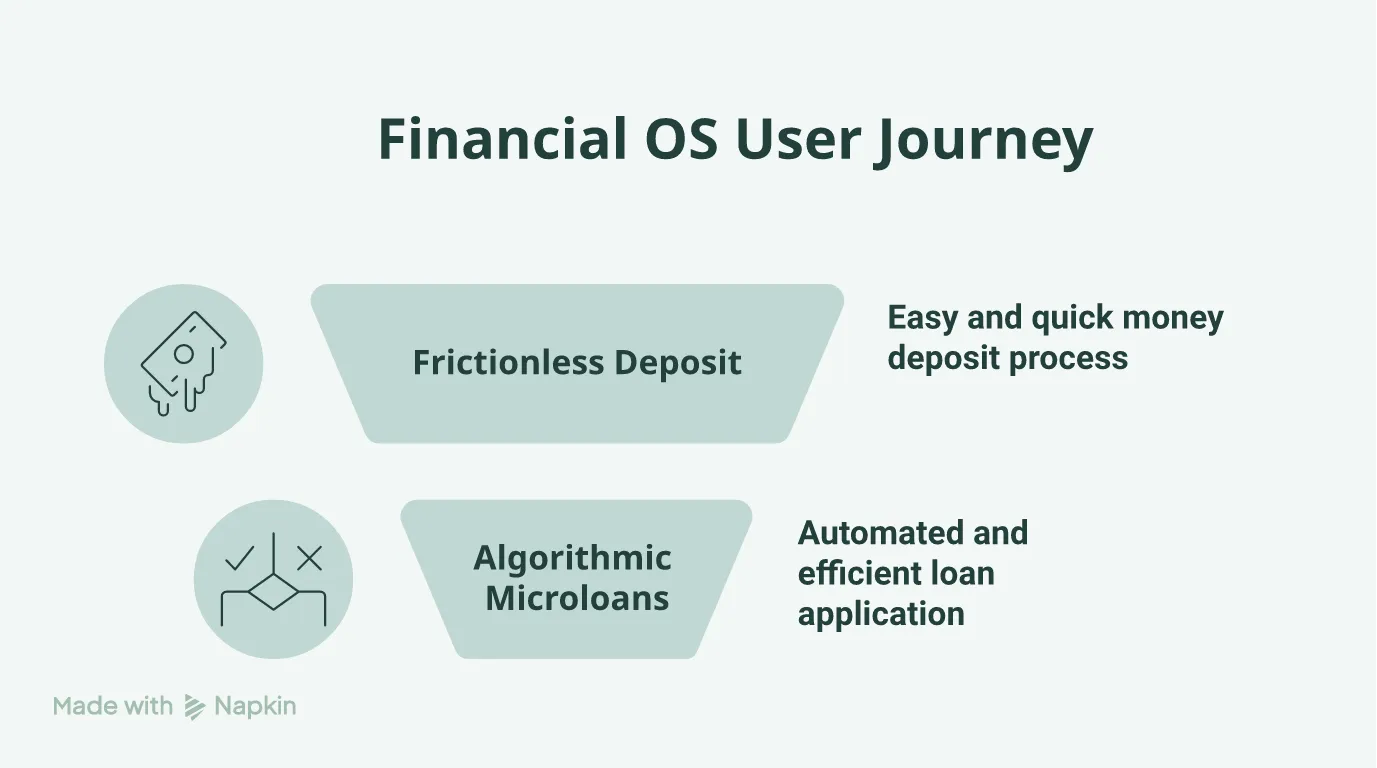
The Next Indonesian Wallet Is a Financial OS
Where GrabPay-class products go next: from stored-value app to an AI-mediated financial operating system spanning credit, banking, insurance, and cross-border.
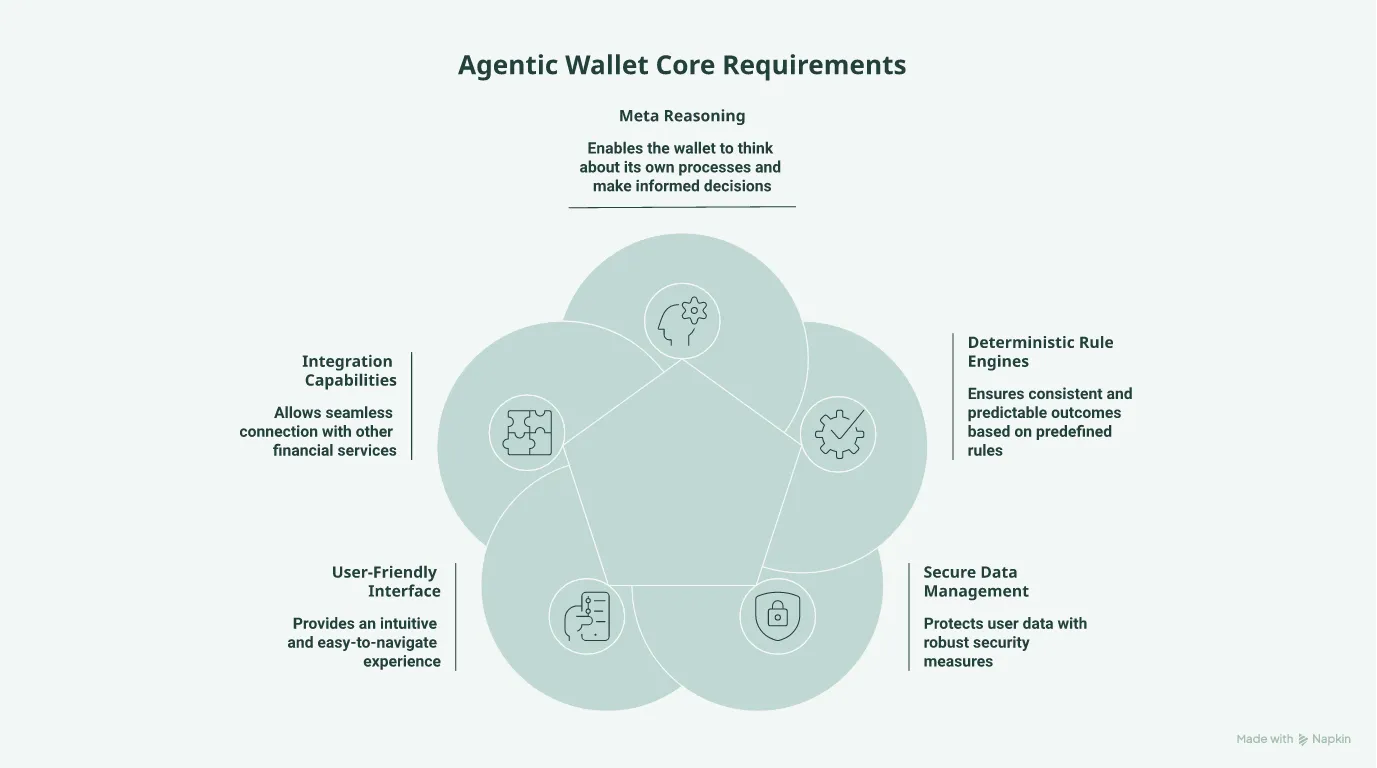
When Your Money App Starts Acting on Its Own
The biggest forward bet is AI agents inside the wallet that pay, optimize, and advise autonomously. Here is what the reliability and governance evidence says.
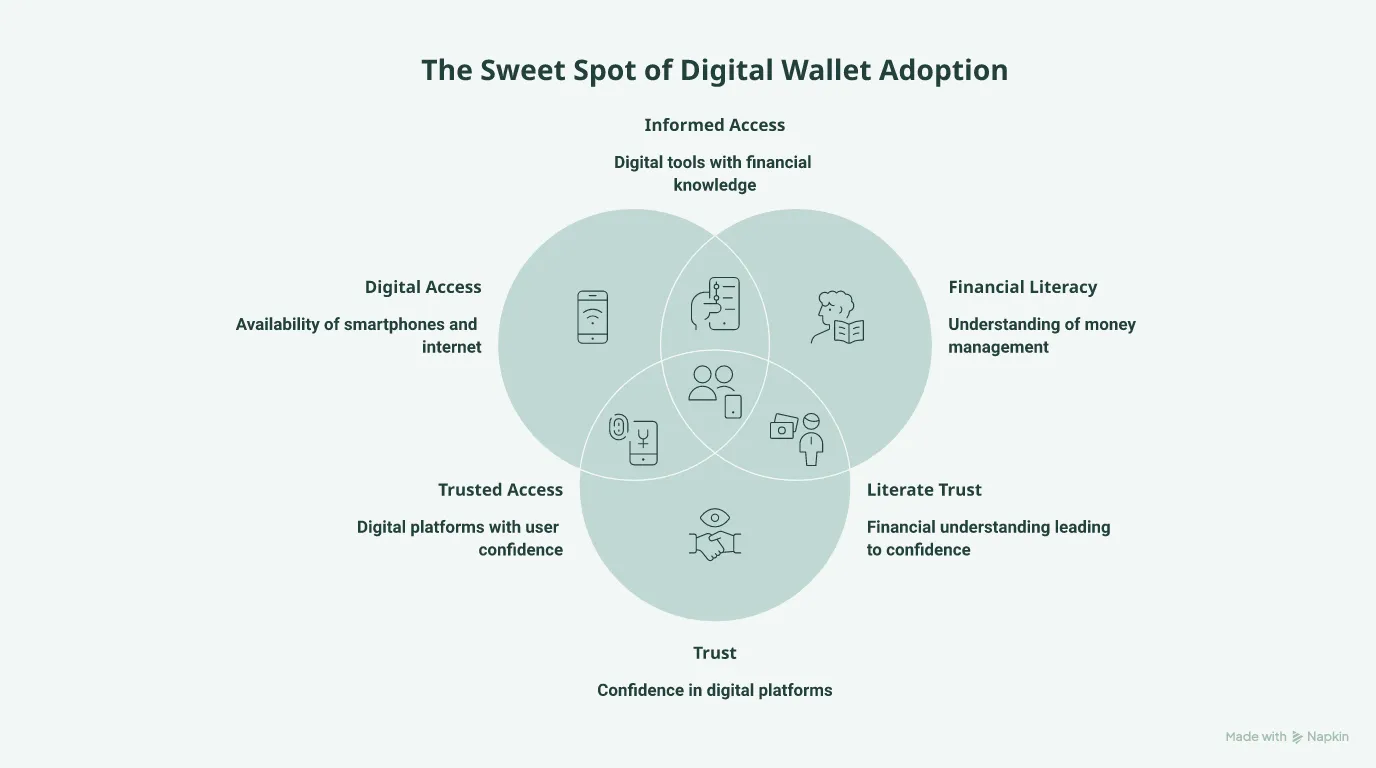
Why Adoption Isn't Access for the Next 140 Million Wallet Users
Access is no longer the problem. True financial inclusion means converting episodic wallet users into resilient participants in the digital economy.
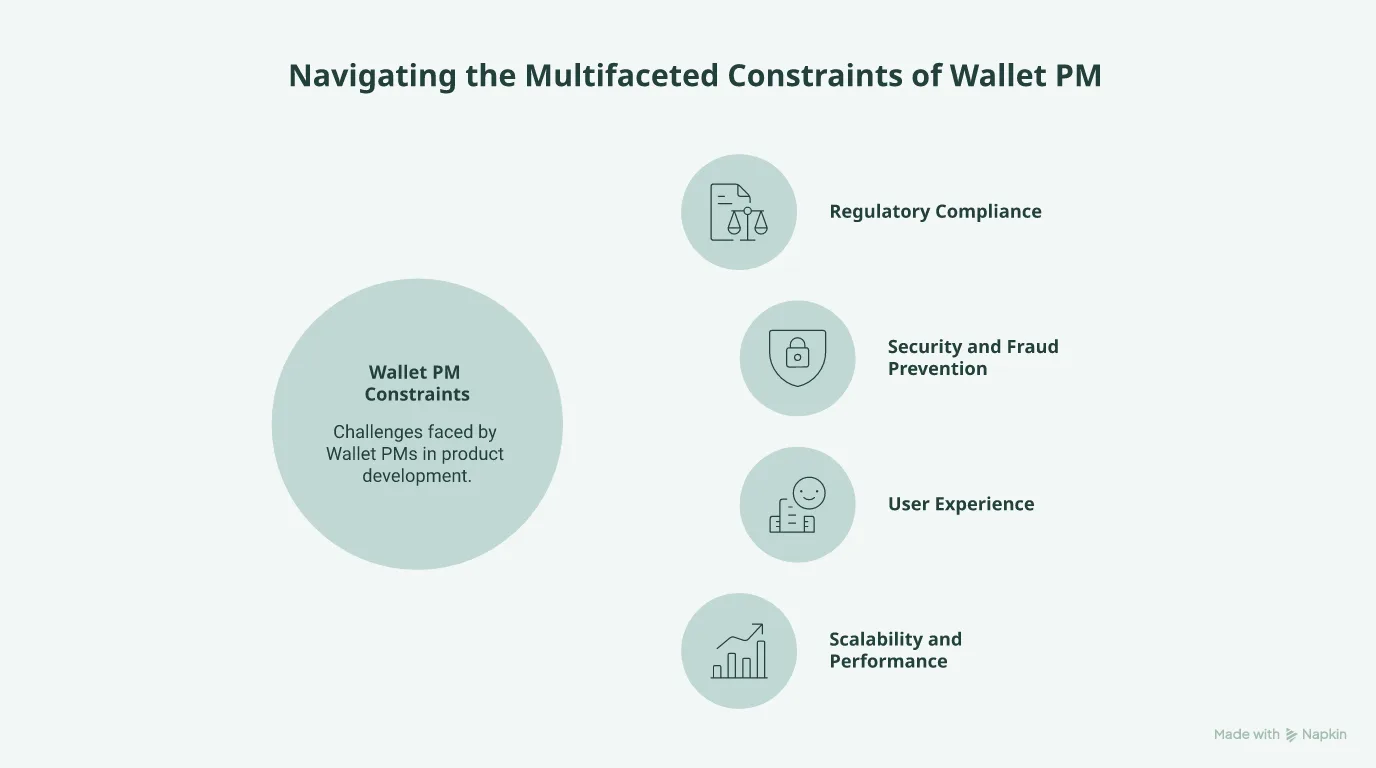
The Wallet PM's Real Constraint in a Dual-Regulator, Fraud-Heavy Reality
At scale, a wallet roadmap is shaped by regulation and risk before features: the BI/OJK split, risk-based licensing, and an asymmetric fraud surface.
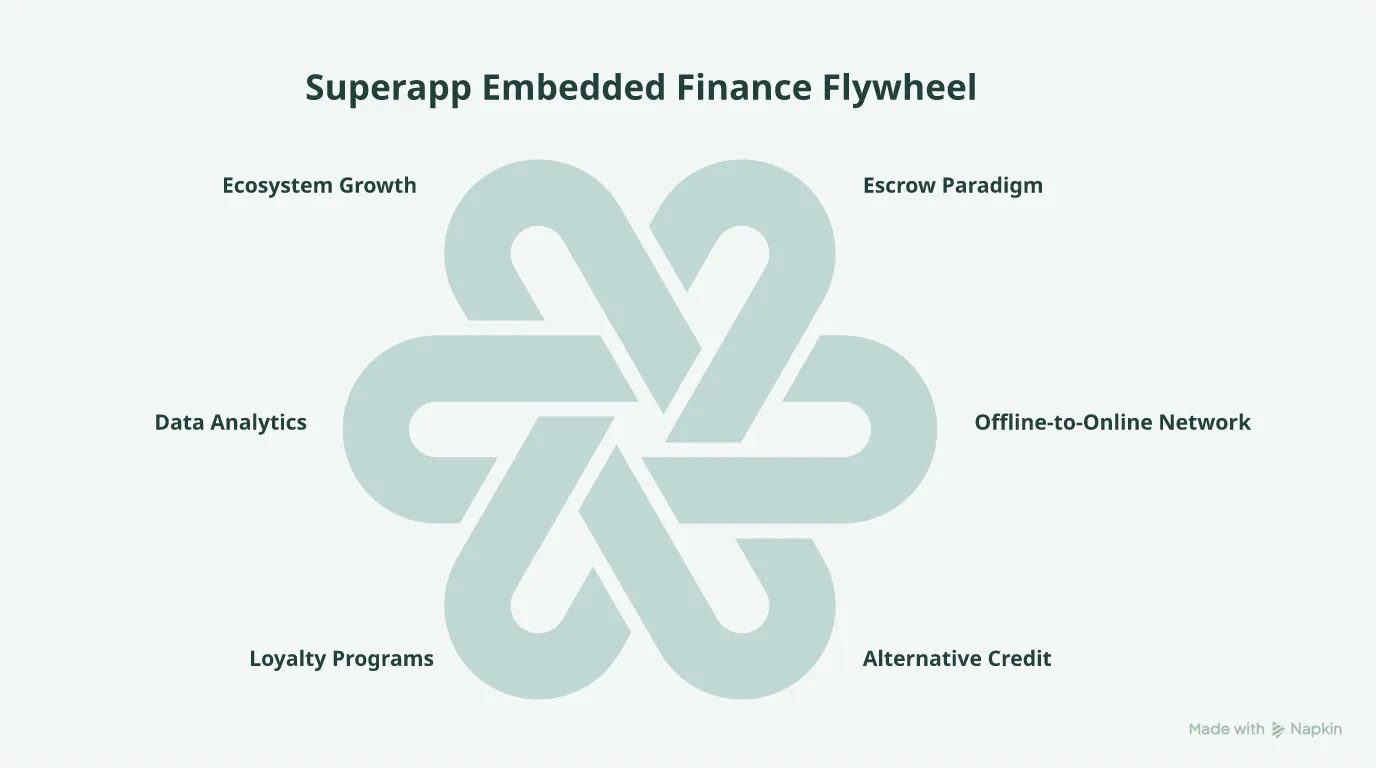
Why the Wallet Is the Wedge for Superapp Financial Ecosystems
A digital wallet isn't a payments feature, it's an acquisition wedge. How Southeast Asian superapps digitize cash, build behavioral data, and unlock lending.
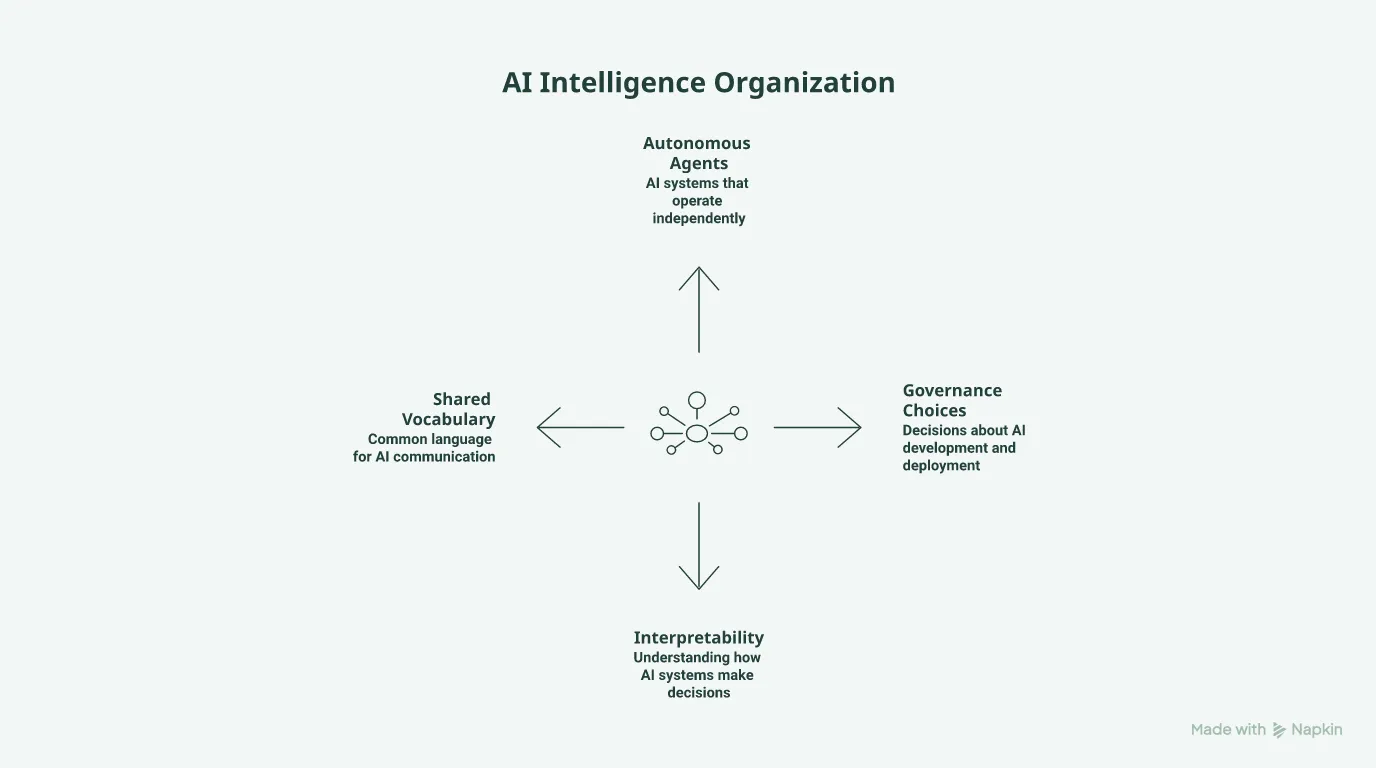
Organizing Intelligence to Scale AI Research into Strategy
Discover how frontier AI research on autonomous agents, human-machine coordination, and generative simulations translates into operational business strategy.
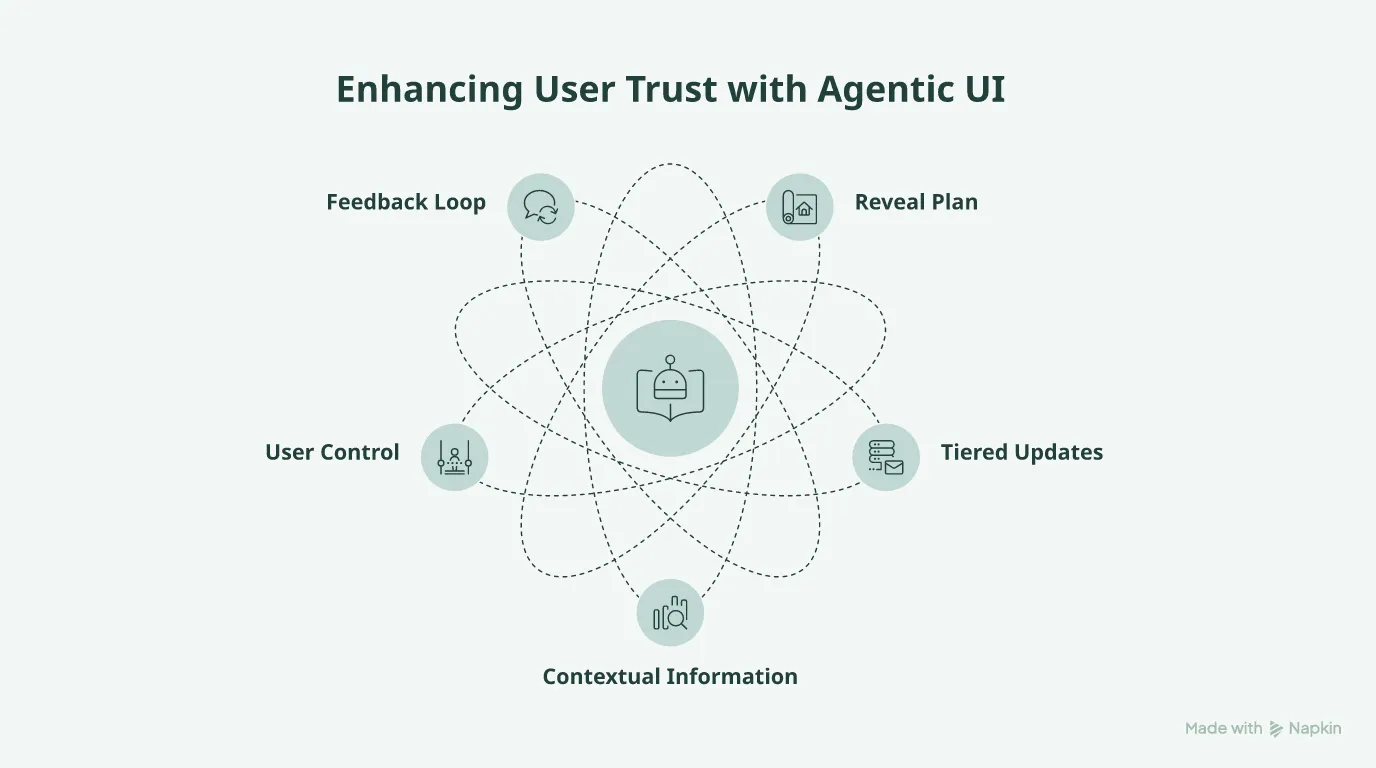
Design Principles for AI That Acts on Its Own
As AI shifts from conversational helper to autonomous agent, the interface must evolve to support delegation, transparency, and shared control.
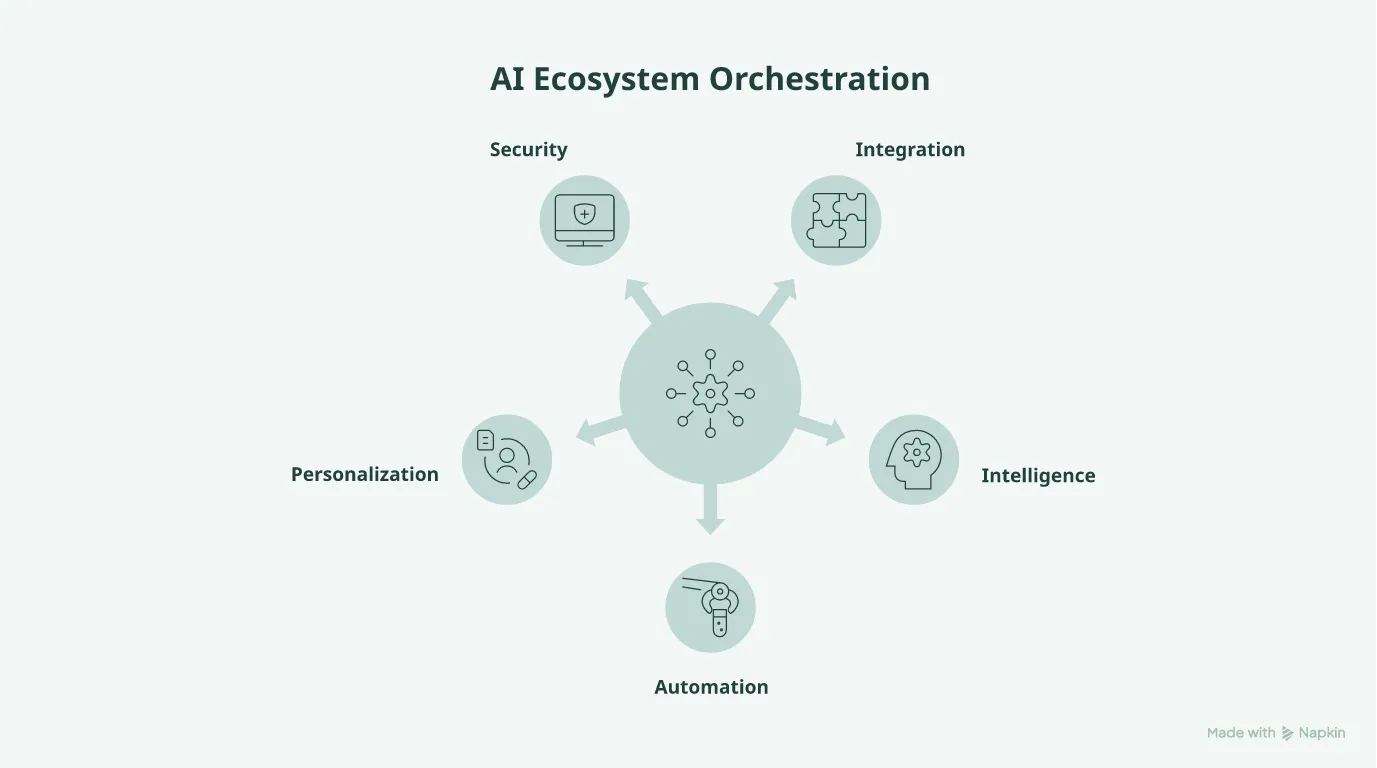
Transforming Healthcare Services with AI Ecosystems
When you treat AI in healthcare as a standalone technology, it fails. We must design AI as an integrated capability across the service ecosystem.
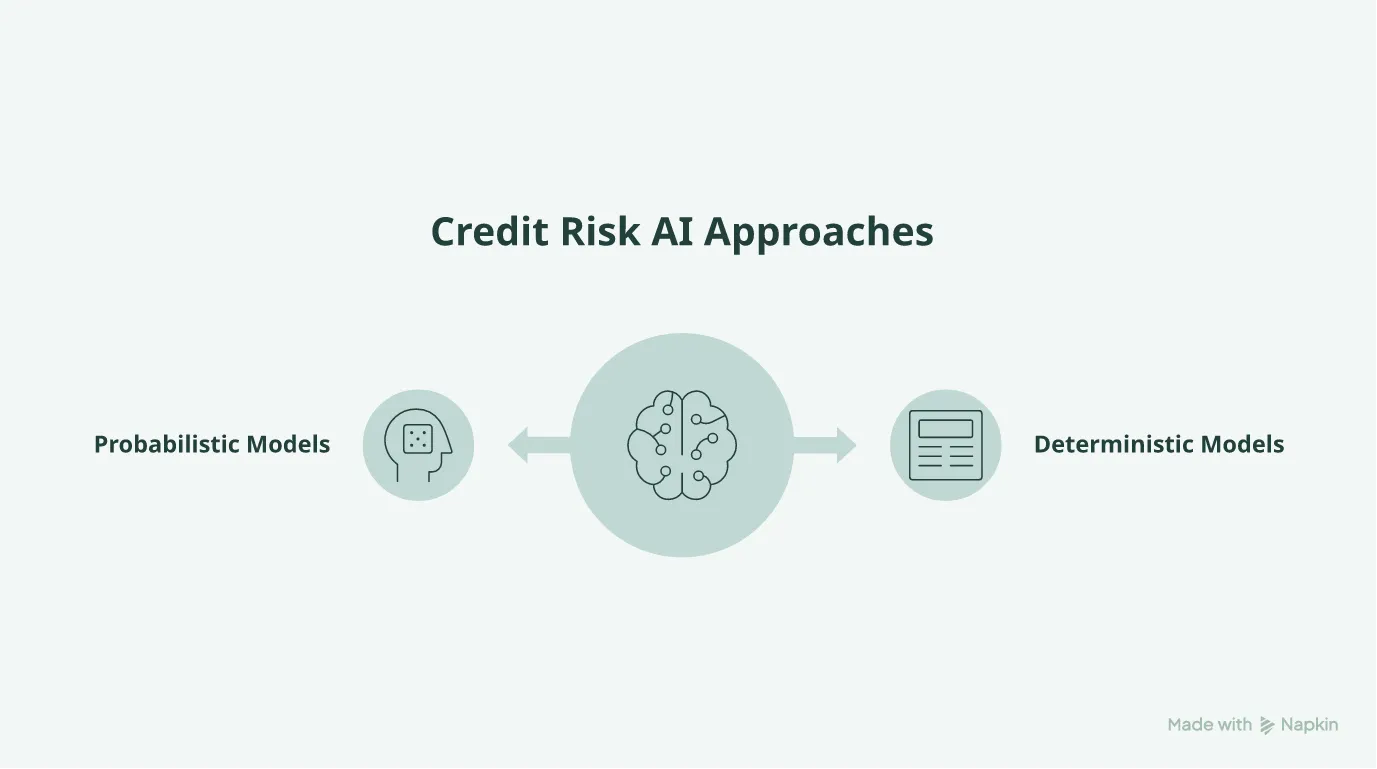
How Credit Risk Modeling Is Moving Past the Scorecard
A look at why banking relies on deterministic AI for credit decisions, and how probabilistic models that quantify uncertainty offer a better path forward.
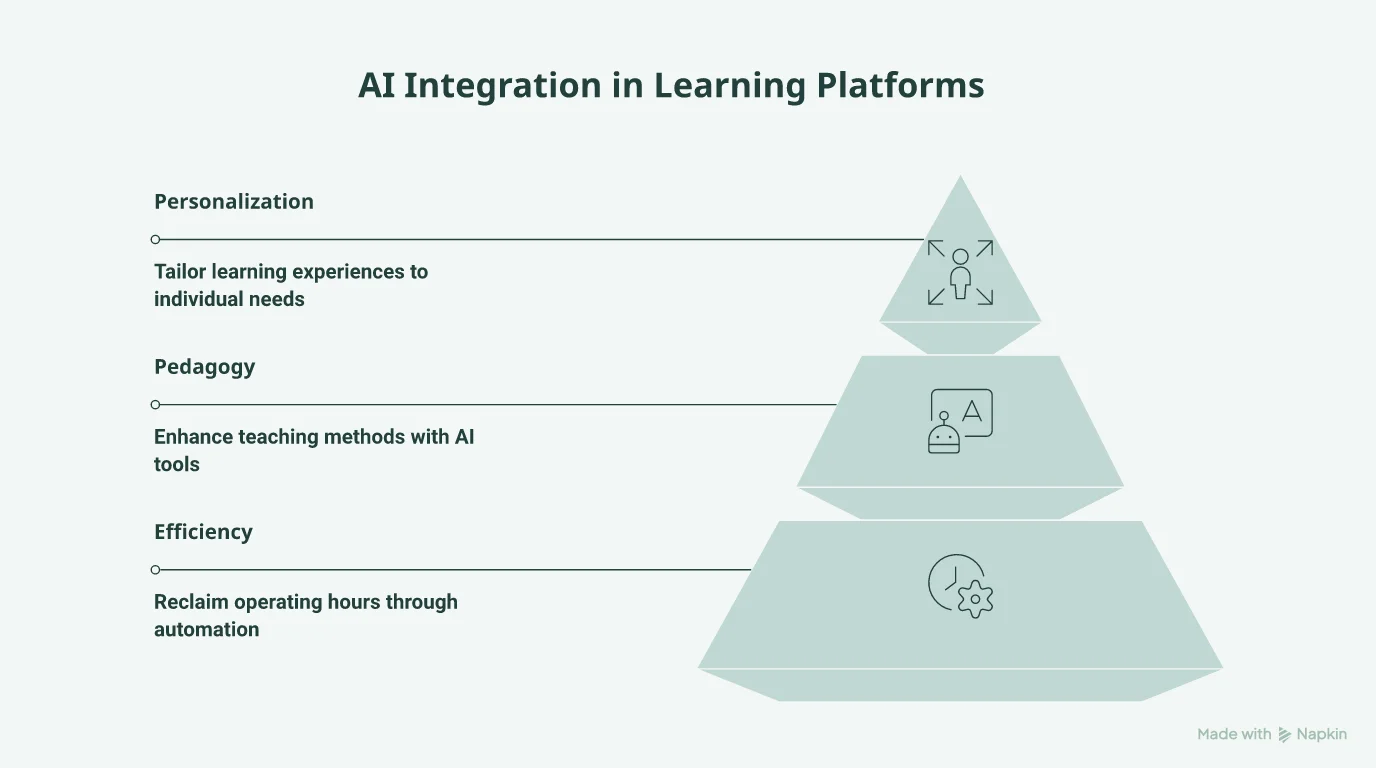
What AI Actually Changed When We Built It Into a Learning Platform
A look at what happens when you embed AI into a learning platform, using a three-layer lens to separate real retention gains from vanity metrics.
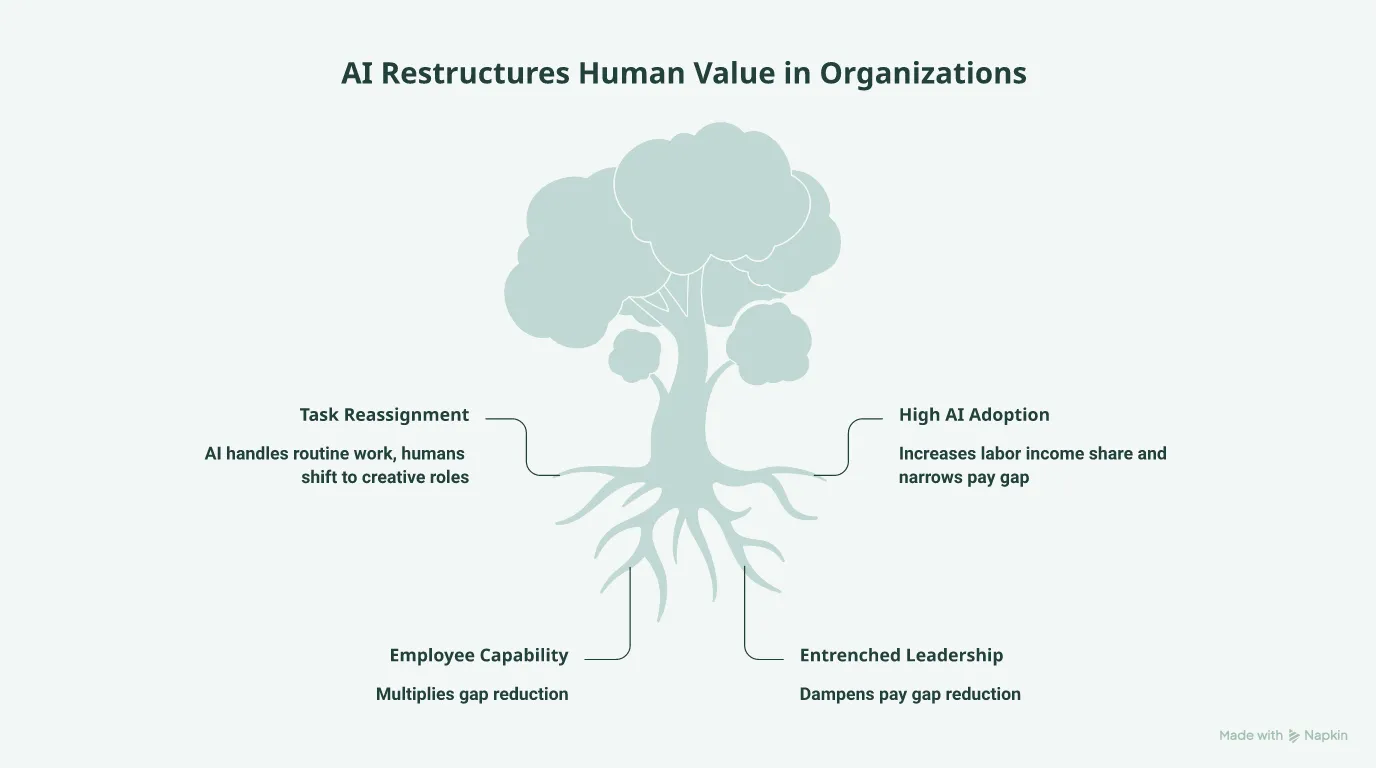
What Happens to Human Value When AI Enters the Org Chart
AI automation isn't erasing human value, it's redistributing it. Data shows AI flattens hierarchies and shifts workers from executors to orchestrators.
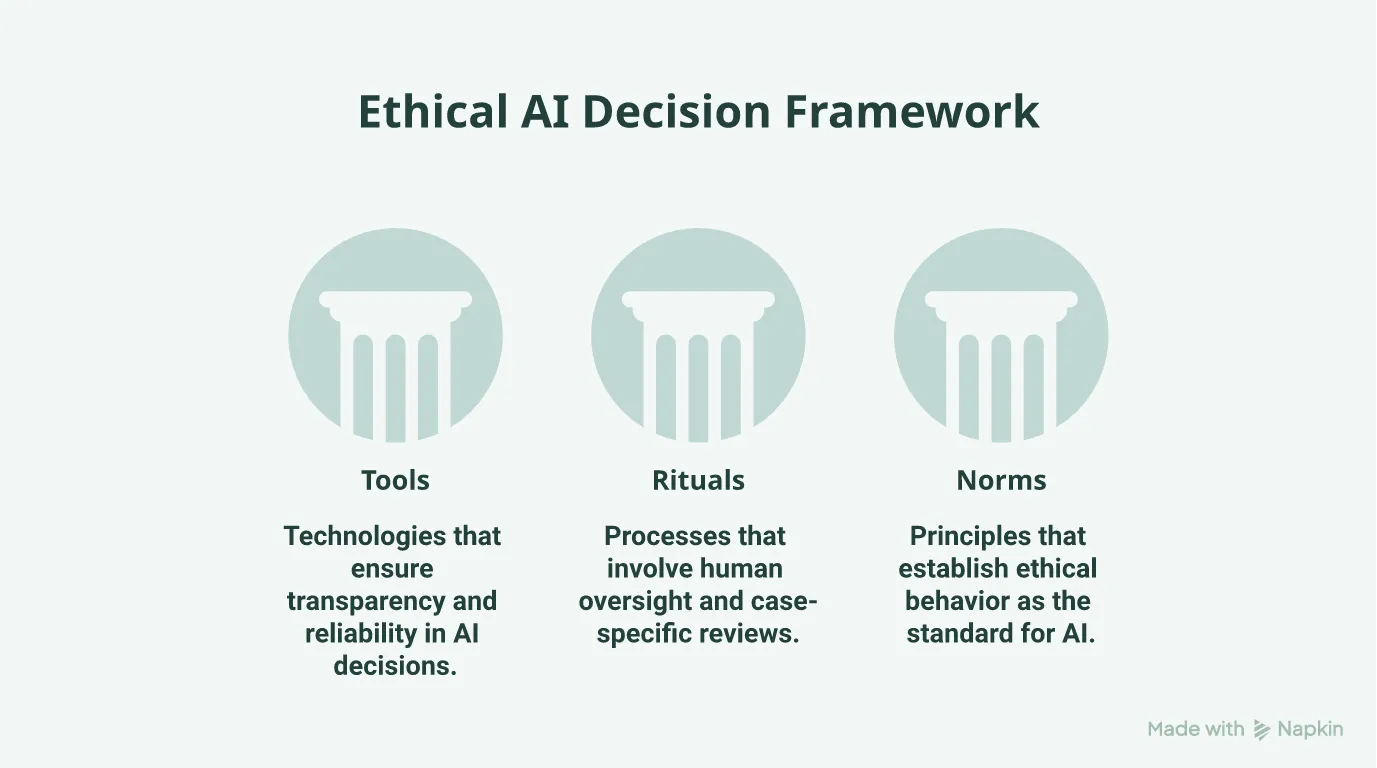
Decision Infrastructure That Makes the Right AI Call the Default
Bad AI decisions rarely stem from bad people; they arise from bad systems. Discover how to build infrastructure that makes the right AI call the default.
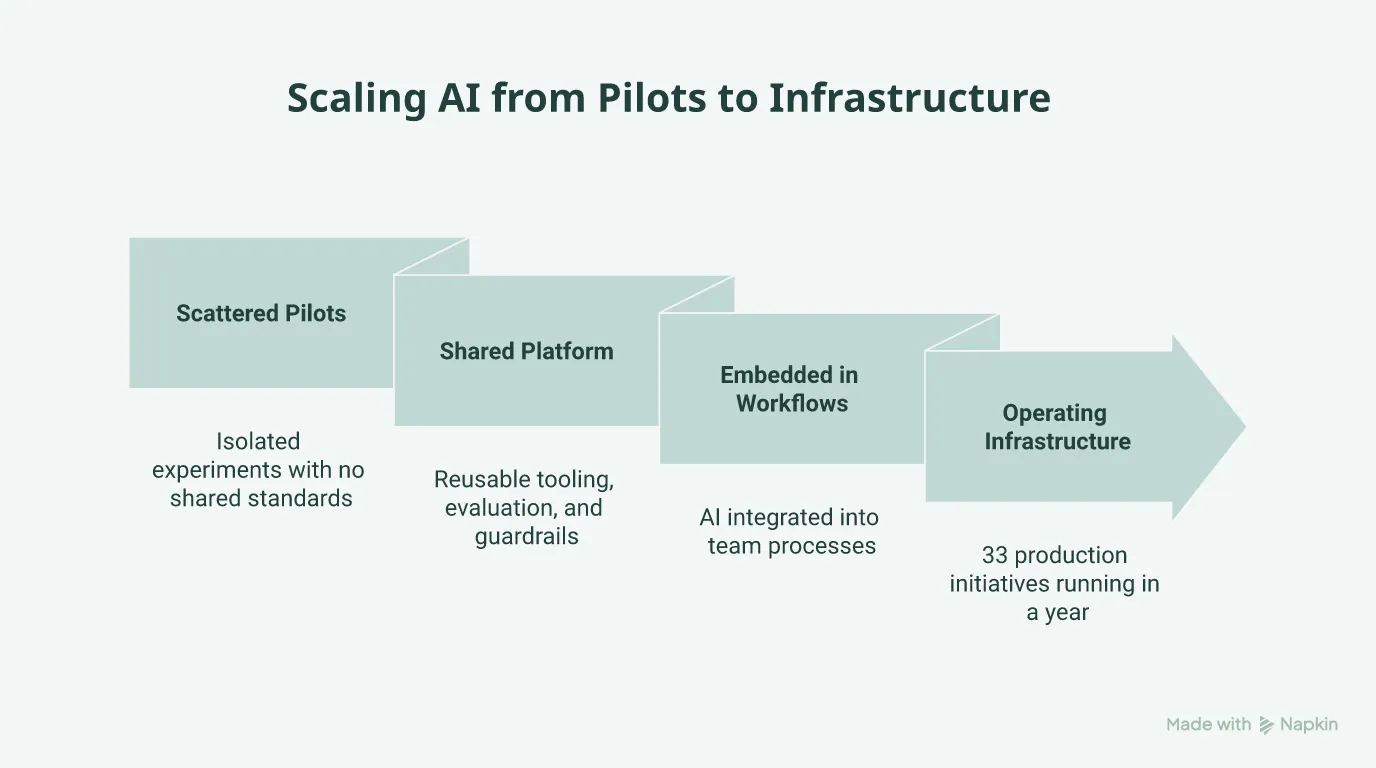
Scaling AI From Experiment to Infrastructure Inside a Product Org
The operator's playbook for moving AI from isolated pilots to operating infrastructure, scaling 33 production initiatives in a single year.
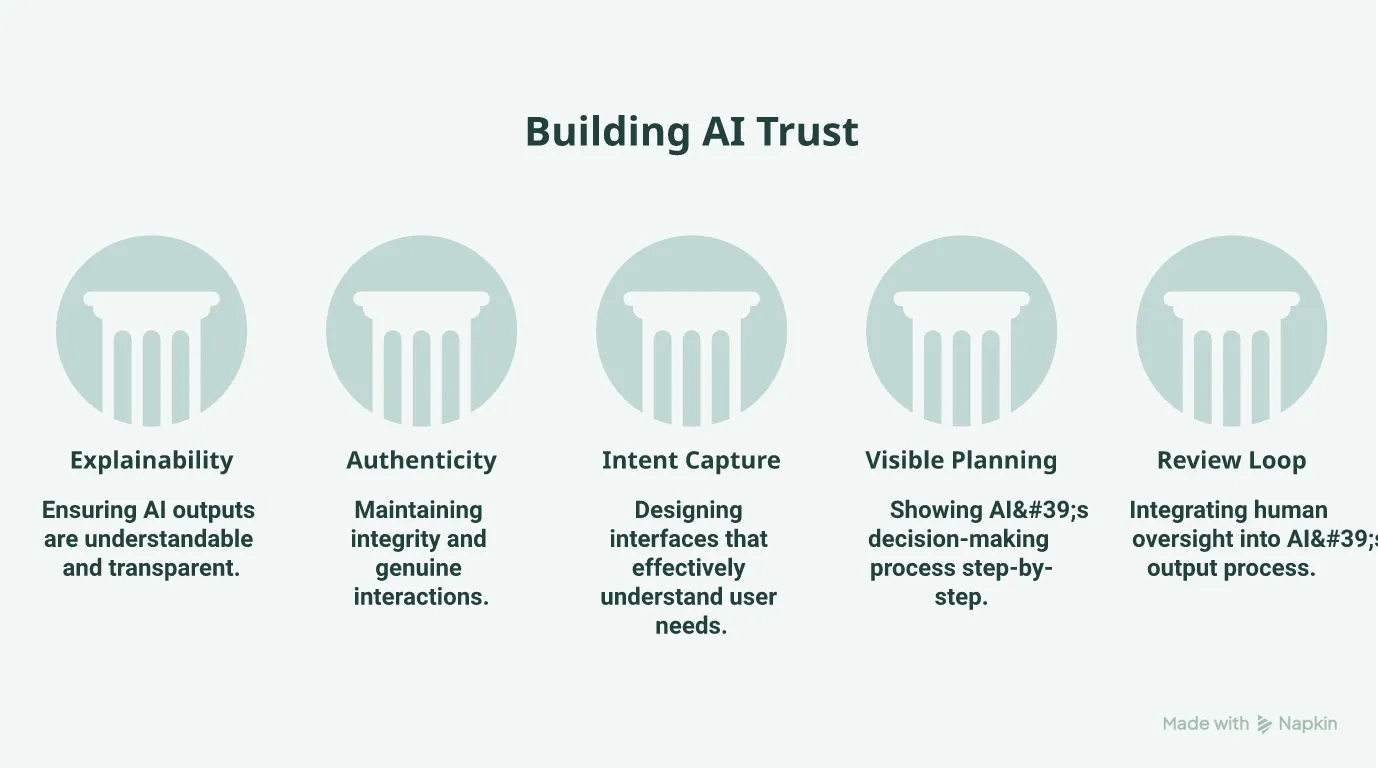
Designing Trust Into AI Products
Trust in AI emerges from deliberate design choices rather than algorithmic accuracy alone. Explainability, legibility, and authenticity determine adoption.
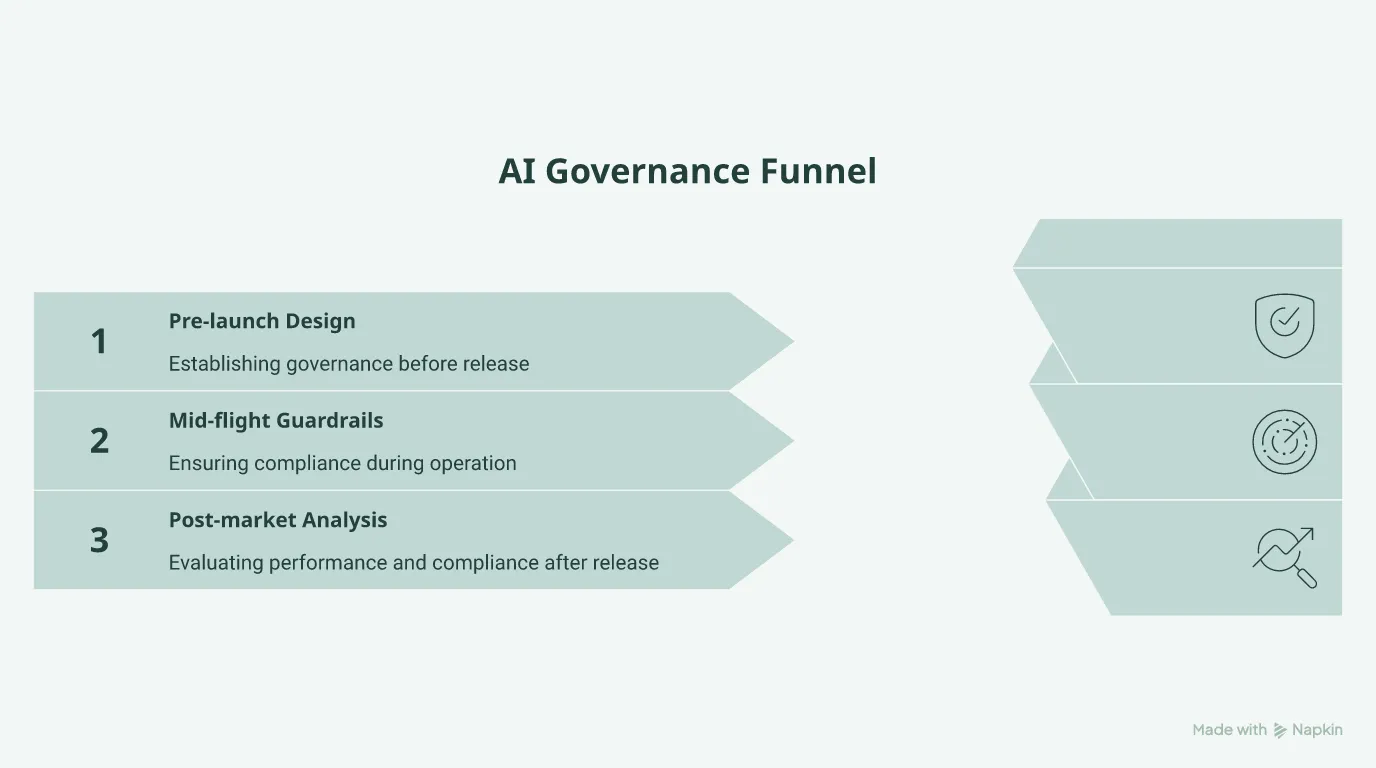
AI Governance Is a Product Discipline, Not a Compliance Checkbox
Reframe AI governance as a core product discipline. Treat standards, risk mitigation, and agent oversight as design constraints, not legal afterthoughts.
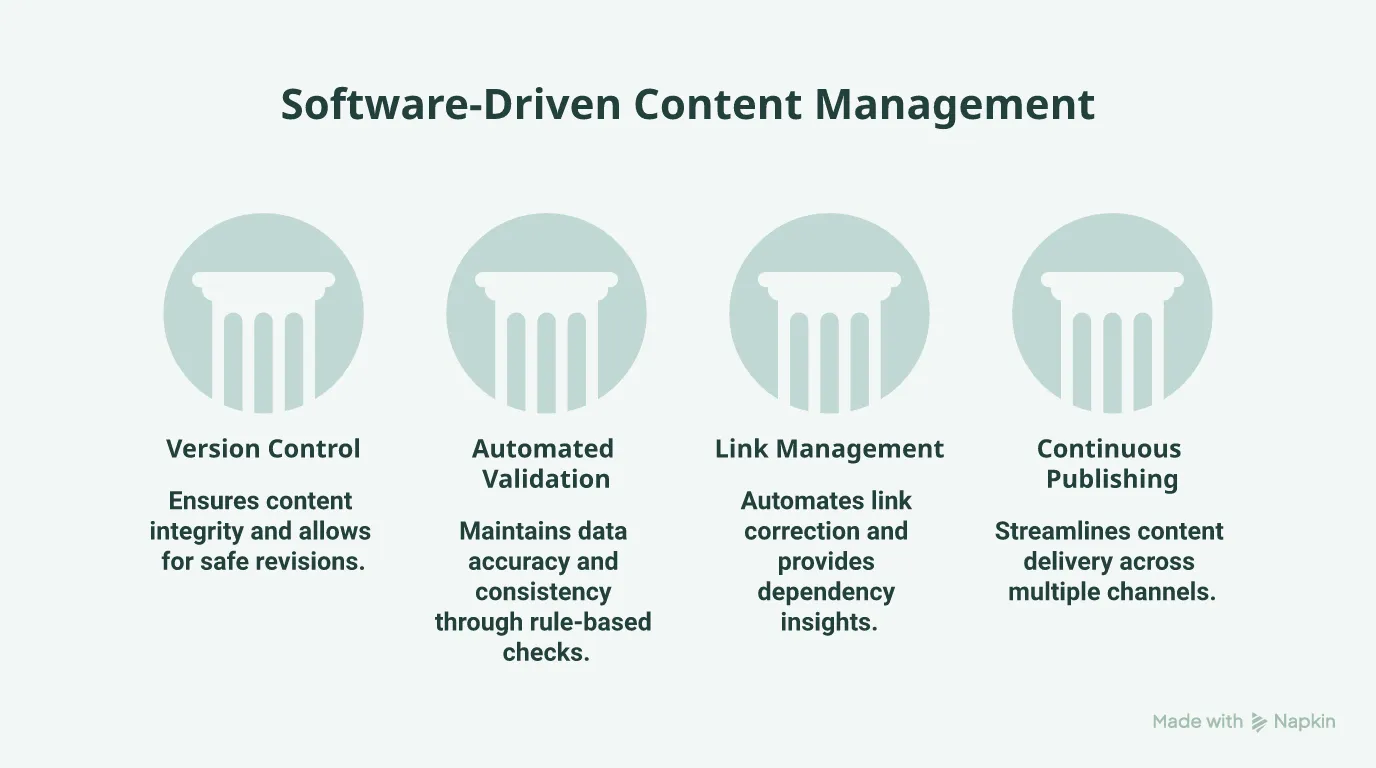
Treating Content as Code With an Engineering Mindset
Stop treating content as an afterthought. Learn how engineering practices like version control turn chaotic knowledge into scalable decision infrastructure.
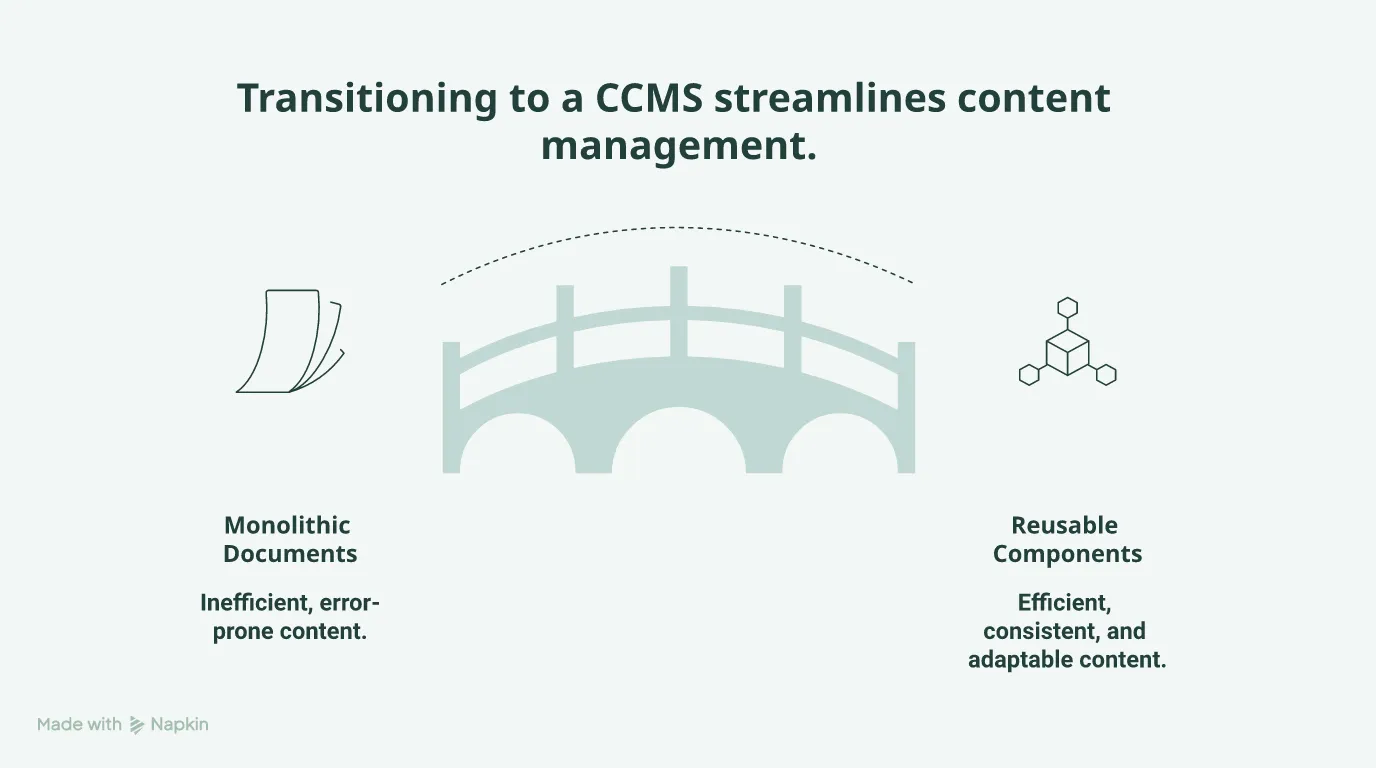
Why Your Product Needs a Component Content Management System
Stop hunting text across dozens of files. Discover how a Component Content Management System turns chaotic knowledge into a structured, scalable business asset.